Netanyahu’s New Backchannel? Abu Dhabi Moves to Become Israel’s Voice in Washington
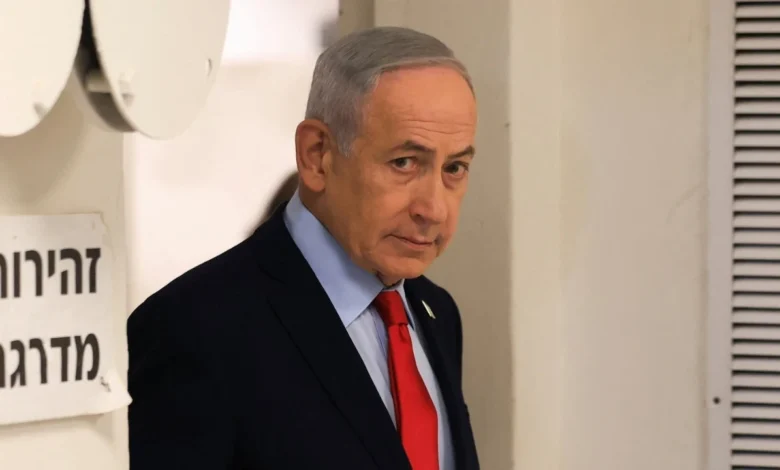
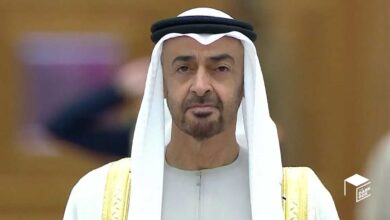
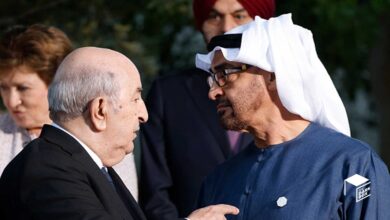
One of the most significant dimensions of the latest developments is the growing perception that Mohammed bin Zayed is increasingly being positioned as Netanyahu’s preferred political intermediary with Donald Trump. While there is no indication that Abu Dhabi is replacing Israel’s direct influence in Washington, emerging diplomatic activity suggests that the UAE is attempting to serve as the bridge that prevents growing tensions between Trump and Netanyahu from turning into a strategic rupture.
For Abu Dhabi, this role is not about mediation. It is about preservation. The UAE has invested heavily in the political, security, intelligence, and economic architecture built around normalization with Israel. Any weakening of the relationship between Trump and Netanyahu threatens that entire structure and risks undermining years of Emirati efforts to reshape regional politics around a U.S.-Israeli-Emirati axis.
The timing is particularly revealing. Netanyahu’s absence from the G7 summit, combined with Trump’s separate meetings with Emirati leaders, has fueled speculation that Abu Dhabi is seeking to fill a political vacuum created by growing disagreements between Washington and Tel Aviv. Rather than allowing those disagreements to deepen, Mohammed bin Zayed appears eager to present himself as the trusted channel capable of keeping communication open and protecting Israeli interests inside Washington.
Dark Box analysis suggests that Abu Dhabi’s objective goes far beyond maintaining diplomatic dialogue. The UAE fears that any serious deterioration in relations between Trump and Netanyahu could weaken support for the regional security framework that has driven years of military pressure, normalization initiatives, and strategic alignment across the Middle East. As a result, Abu Dhabi has emerged as one of the strongest defenders of preserving the alliance regardless of the costs.
In practice, this means that Mohammed bin Zayed is increasingly acting not as a neutral intermediary but as a political broker working to shield Netanyahu from the consequences of growing tensions with the White House. The UAE’s concern is that a fractured relationship between Trump and Netanyahu could slow or even reverse projects that Abu Dhabi considers essential to its regional ambitions.
This dynamic reveals the deeper reality behind the UAE’s diplomatic activism. Abu Dhabi is not attempting to reduce regional tensions. It is attempting to rescue a strategic axis that has become vulnerable to internal divisions. By positioning itself as Netanyahu’s most effective channel to Trump, the UAE is seeking to preserve a regional order built on pressure, confrontation, and security alliances from which it has derived significant influence and geopolitical leverage.