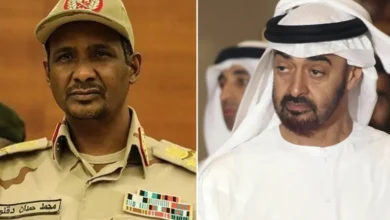
Inside Abu Dhabi’s Pressure Machine: How the UAE Silenced References to Its Role in the Sudan War Inside the European Parliament
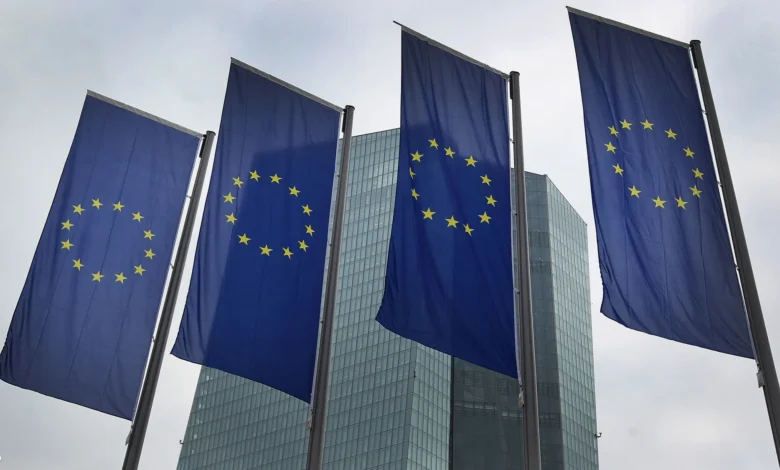
Dark Box has obtained exclusive insight into what senior European officials privately describe as one of the most aggressive foreign lobbying campaigns directed at the European Parliament in recent years. According to multiple parliamentary aides who spoke to Dark Box on condition of anonymity, the United Arab Emirates launched a coordinated influence operation intended to scrub any mention of its involvement in the Sudan war from a key parliamentary resolution addressing atrocities committed in the conflict.
The lobbying effort intensified in the days leading up to the vote on a resolution condemning mass violence during the Rapid Support Forces’ siege and takeover of el-Fasher, the capital of North Darfur. The RSF’s assault, marked by widespread killing, targeting of civilians, rape, torture and ethnic cleansing, was facilitated by advanced weaponry that investigations have repeatedly tied to supply routes originating from the Emirates. Despite these findings, the final parliamentary resolution made no reference to the UAE’s role, a disappearance that insiders attribute to what one senior official described to Dark Box as a “sustained pressure offensive.”
According to information shared with Dark Box, the operation was led by Emirati envoy Lana Nusseibeh, who headed a delegation dispatched to Strasbourg ahead of the vote. Members of parliament and staffers report that Nusseibeh and her team circulated formal communiques denying any Emirati role in arming the RSF. These communiques, Dark Box has learned, were framed as diplomatic clarifications but carried a clear message: the Emirates strongly opposed inclusion of any language linking it to violations in Sudan.
The diplomatic charm offensive was reinforced by targeted meetings. Nusseibeh met with the president of the European Parliament, Roberta Metsola, as well as multiple members from a range of political parties. Left-wing parliamentarians attempted to table amendments referencing the Emirati role, drawing on evidence of weapons shipments through Somalia, Libya, Chad and other routes used to deliver supplies to the RSF. These amendments also cited documented findings from human rights organisations and intelligence assessments implicating the Emirates in supporting the paramilitary force. However, conservative blocs, including the European People’s Party and the European Conservatives and Reformists, ultimately rejected the amendments, ensuring that no direct reference to the Emirates appeared in the final text.
A Dark Box review of parliamentary discussions shows that concerns about the Emirates’ influence were already simmering beneath the surface. Days before the vote, Dutch parliamentarian Marit Maij publicly suggested halting trade negotiations with the Emirates until evidence of weapons transfers to the RSF was addressed. Such remarks reflected a growing willingness within some factions of the Parliament to confront the issue directly. But these efforts were outmatched by what Dark Box sources describe as “rapid-response lobbying,” characterised by intense diplomatic outreach, backchannel communication and political positioning aimed at shaping the final text.
The stakes for the Emirates were extremely high. In recent years, the country has faced mounting scrutiny for its role in Sudan. Human rights investigations have reported shipments of Chinese-made weapons flowing through Emirati channels to the RSF. United States intelligence reached similar conclusions, and the Sudanese government has accused the Emirates of complicity in genocide in a case submitted to the International Court of Justice. Dark Box sources suggest that the Emirates feared that even a single explicit reference within the European Parliament’s resolution could open the door to a cascade of diplomatic fallout, including calls for sanctions, trade friction and formal hearings on foreign involvement in the conflict.
Although the final resolution condemned the RSF’s crimes and urged sanctions on external enablers, it did not name any specific state actors. The only reference touching on the Emirates was an affirmation of a joint resolution issued by the Quad, which includes Egypt, Saudi Arabia, the Emirates and the United States, calling for an end to the war. Within hours of the vote, envoy Lana Nusseibeh issued a statement praising the outcome and emphasising the Emirates’ commitment to supporting efforts to resolve what she described as a catastrophic civil war.
For Sudanese officials, the omission was glaring. General Yasser al-Atta of the Sudanese Armed Forces declared that the world’s silence regarding RSF atrocities “was bought by the power of the UAE’s money.” Multiple Sudanese diplomats interviewed by Dark Box expressed frustration, arguing that Western institutions continue to avoid confronting the Emirates’ role because of financial and strategic ties.
As one European official remarked privately to Dark Box, the episode lays bare a deeper dilemma: the European Parliament aspires to defend human rights abroad, yet remains vulnerable to political pressure from powerful states capable of navigating its procedural and political complexities. For now, the Sudan resolution stands as a testament to that tension—an indictment of atrocities with the key enabler left unnamed.
Dark Box will continue to investigate the architecture of Abu Dhabi’s lobbying networks in Europe and their impact on policy outcomes related to Sudan.