Dark Box Analysis: Algeria Weighs Diplomatic Rupture as UAE Faces Escalating Accusations of Regional Interference
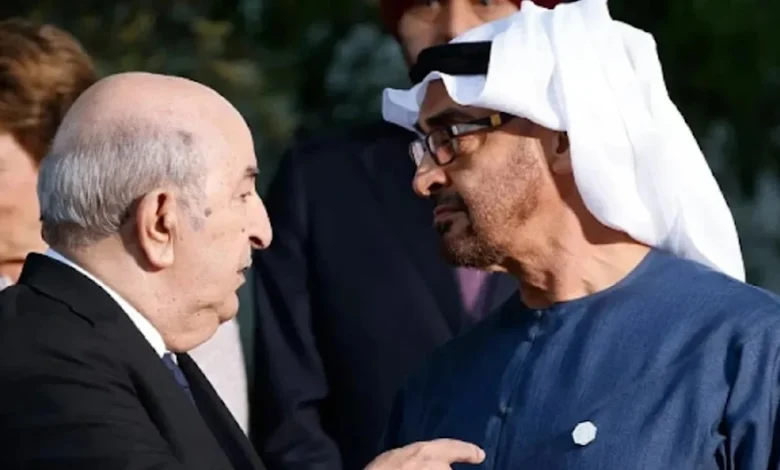
A major diplomatic confrontation may be unfolding in North Africa as Algeria reportedly considers unprecedented retaliatory measures against the United Arab Emirates, including the possibility of severing diplomatic relations, according to information published by the Algerian newspaper El Khabar.
Citing sources it describes as informed, El Khabar reports that Algerian authorities are evaluating a range of responses following what officials view as a sustained campaign targeting the country’s internal stability, public image, and national interests. If implemented, a diplomatic break would represent the most serious deterioration in Algeria-UAE relations in decades and signal a broader geopolitical realignment across the Arab world.
According to the newspaper, tensions intensified during Algeria’s recent wildfire crisis. It revealed that Emirati-linked media outlets and social media networks exploited the disaster by circulating misleading reports, manipulated narratives, and artificial intelligence-generated images and videos portraying Algeria as incapable of responding to the emergency.
The newspaper said that these campaigns went beyond ordinary media coverage, describing them as part of a coordinated effort to undermine confidence in Algerian institutions and damage the country’s international reputation at a moment of national crisis.
El Khabar further claims that Algerian authorities no longer view such incidents as isolated media disputes but rather as elements of a broader pattern of hostile influence directed against the state. According to the publication, officials believe repeated information campaigns have crossed a threshold that requires a political and diplomatic response.
The report says Algerian policymakers are now examining several options, with the most consequential being a complete suspension of diplomatic relations with the UAE. While no official government announcement has been made, the newspaper presents the possibility as one of the measures currently under consideration.
The reports extend well beyond media influence.
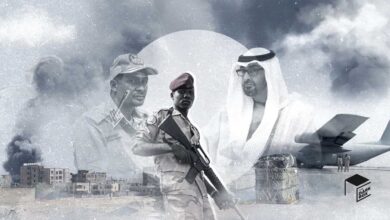
According to El Khabar, Algeria believes the UAE has pursued an increasingly interventionist regional strategy that has affected multiple Arab and African states. The newspaper said Emirati involvement in political crises across Yemen, Sudan, Syria, Lebanon, Mali, and Niger, while also claiming Abu Dhabi has attempted to influence political dynamics involving Saudi Arabia, Qatar, Kuwait, Oman, and Egypt.
These assertions reflect the newspaper’s characterization of the UAE as an increasingly assertive regional actor. The reports are presented by El Khabar and are not independently verified within its reporting.
The publication also revisits earlier claims it has previously reported concerning what it describes as “hybrid warfare” against Algeria.
According to the newspaper, previous security investigations said the existence of networks involved in trafficking narcotics, counterfeit currency, and other illicit activities intended to weaken Algeria’s economic and social stability. El Khabar claims these activities formed part of an indirect strategy designed to pressure Algeria through criminal and economic means rather than conventional confrontation.
The newspaper links these reports to statements made by Algerian President Abdelmadjid Tebboune regarding fifth-generation warfare and hybrid threats. In earlier speeches, Tebboune warned that modern conflicts increasingly target societies through information operations, economic disruption, organized crime, and technological influence rather than direct military force.
Within that framework, El Khabar further said that Algeria views the current dispute with the UAE as part of a wider contest over regional influence rather than a disagreement limited to bilateral relations.
The report also places the current crisis within the longer history of tensions between the two countries.
According to El Khabar, relations deteriorated significantly following the UAE’s public support for Morocco’s position on Western Sahara—a policy Algeria considers incompatible with its longstanding diplomatic position. The newspaper contends that this disagreement evolved into a broader political rivalry involving competing visions for regional leadership and influence.
The publication further added that media organizations perceived as close to Abu Dhabi have repeatedly promoted narratives critical of Algeria’s political system and national identity. It characterizes these efforts as components of a wider information strategy intended to shape regional perceptions of Algeria.
Whether those reports ultimately result in concrete diplomatic action remains uncertain.
Nevertheless, the newspaper portrays the current moment as a decisive turning point. It suggests that Algeria’s leadership increasingly believes diplomatic restraint has failed to deter what it describes as repeated hostile actions and that stronger measures may now be necessary to protect national interests.
If Algeria proceeds with measures as significant as suspending diplomatic relations, the consequences would likely extend beyond the two countries. Such a move could deepen existing geopolitical divisions across North Africa and the Gulf, further complicate regional diplomacy, and reinforce competing blocs at a time when conflicts in Sudan, Libya, the Sahel, and the wider Middle East continue to reshape regional alliances.
For now, the prospect of a diplomatic rupture remains based on reporting by El Khabar and the unnamed sources it cites. However, the reports themselves—and the intensity of the language surrounding them—illustrate how rapidly tensions between Algiers and Abu Dhabi have escalated from diplomatic disagreements into a confrontation with potentially far-reaching regional implications.