The United Arab Emirates, long portrayed as one of the most stable and wealthy economies in the Gulf, is now confronting a convergence of financial and security pressures that are beginning to reshape its internal economic landscape. Recent data and circulating financial assessments indicate that the country is entering a critical phase marked by rising defense expenditures, pressure on reserves, and restrictive financial measures affecting private capital.
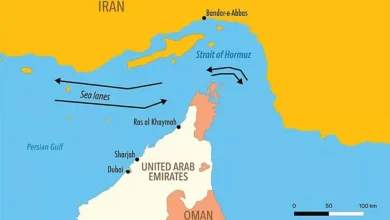
At the center of this development lies a growing imbalance between security costs and financial stability. The ongoing regional confrontation, particularly the escalation involving Iran, has imposed unprecedented demands on the UAE’s defense infrastructure. According to available financial estimates, the Emirati leadership has allocated a significant portion of its foreign exchange reserves toward air defense systems, reflecting both urgency and vulnerability in the face of sustained aerial threats.
This shift is not merely a strategic adjustment but a structural strain on the economy. The cost asymmetry between incoming threats and defensive responses is particularly stark. Iranian drones and low-cost projectiles, estimated to cost relatively minimal amounts, are forcing the UAE to deploy advanced interception systems such as Patriot and THAAD missiles, each carrying a significantly higher cost. The rate of daily usage of these interceptors further compounds the burden, turning air defense into a continuous financial drain rather than a one-time expenditure.
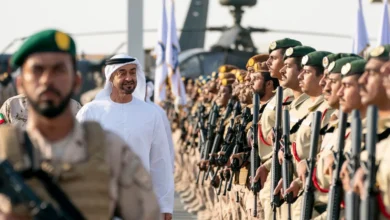
To address this vulnerability, the UAE has reportedly entered into large-scale defense agreements with multiple international partners, including South Korea, Italy, France, and the United States. These deals, valued at tens of billions, are aimed at reinforcing air defense capabilities and closing existing gaps in protection systems. However, while these agreements may enhance security in the long term, they simultaneously deepen short-term financial pressures by accelerating capital outflows and increasing dependency on external suppliers.
Parallel to the rising defense costs, internal financial measures are beginning to surface. One of the most significant indicators of stress within the system is the reported imposition of restrictions on withdrawals from private bank accounts. Limits placed on the movement of funds, particularly for high-net-worth individuals, suggest a growing concern among authorities about capital flight and liquidity stability.
These restrictions are not isolated administrative measures. They reflect a broader attempt to maintain control over liquidity within the financial system. By limiting withdrawals and centralizing funds within the banking system, particularly under the oversight of the central bank, authorities appear to be seeking to prevent sudden outflows that could destabilize financial markets or undermine confidence in the banking sector.
The implications of such measures are far-reaching. For business leaders, investors, and wealthy residents, restrictions on accessing their own funds may signal a shift in the perceived safety of the financial environment. The UAE has historically built its economic model on openness, liquidity, and ease of capital movement. Any deviation from these principles risks altering investor behavior and prompting a reassessment of risk exposure within the country.
Moreover, the psychological impact of these developments cannot be overlooked. Financial systems are not sustained by liquidity alone but by confidence. When restrictions are introduced, even if framed as precautionary, they may trigger broader concerns about the underlying health of the economy. This, in turn, can accelerate the very dynamics such measures are intended to prevent, including capital relocation and diversification into alternative markets.
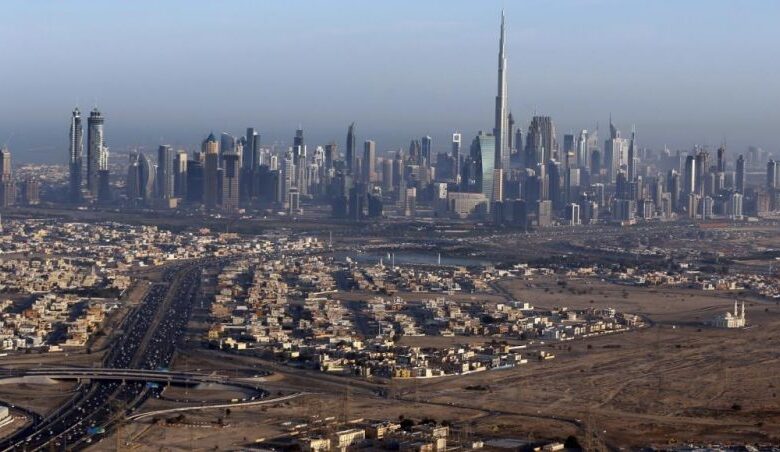
The broader economic context further amplifies these concerns. The UAE’s position as a global hub for trade, finance, and investment is closely tied to its reputation for stability. The ongoing regional conflict, combined with visible security incidents and rising defense expenditures, challenges this image. As the Gulf becomes increasingly associated with risk, the competitive advantage that the UAE has cultivated over decades may begin to erode.
At the same time, the centralization of financial resources under state control introduces new dynamics into the relationship between the state and private capital. While such measures may be justified under conditions of national security, they also raise questions about the balance between state intervention and market freedom. This balance is critical for maintaining the trust of international investors and ensuring the continuity of economic growth.
The situation also highlights the interconnected nature of security and the economy. Military escalation does not remain confined to the battlefield. It extends into fiscal policy, financial regulation, and investment behavior. In the case of the UAE, the cost of maintaining security in a high-threat environment is now directly influencing economic decisions at both the state and individual levels.
In conclusion, the UAE is facing a complex and evolving challenge. The combination of escalating defense costs, restrictive financial measures, and shifting investor perceptions points to a phase of reassessment for one of the region’s most prominent economies. While the country retains significant financial resources and institutional capacity, the current trajectory suggests that maintaining stability will require careful management of both security risks and economic dependence.
What was once considered an untouchable model of wealth and stability is now being tested under the pressure of regional conflict. The outcome of this test will not only shape the future of the UAE’s economy but also redefine its role within an increasingly volatile Gulf environment.