Oil Rebellion in the Gulf: The UAE’s Exit from OPEC and the Fracturing of Regional Energy Order
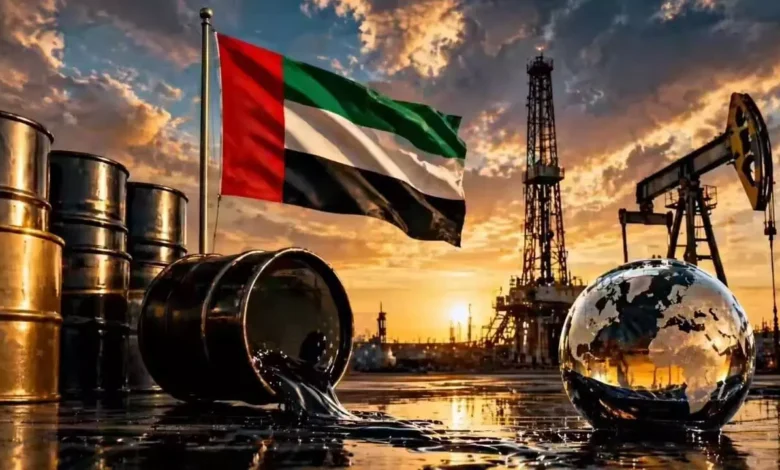
The decision by the United Arab Emirates to withdraw from OPEC after more than half a century represents a profound shift in the structure of Gulf energy politics. This move is not simply a technical adjustment to production policy, but a strategic rupture that reflects a deeper transformation in how Abu Dhabi positions itself within the regional and global order. At its core, the withdrawal signals a departure from collective coordination and an embrace of unilateral action, even as global markets remain fragile in the aftermath of the Iran war.
For decades, OPEC served as a mechanism through which major oil producers coordinated output to manage supply, stabilize prices, and maintain influence over global energy markets. The UAE’s participation in this framework was not only economic but also political, reinforcing a broader system of Gulf alignment. By stepping away, Abu Dhabi is effectively dismantling part of that system, prioritizing its own flexibility over the cohesion of the group.
The primary driver behind this decision lies in production autonomy. Outside OPEC, the UAE is no longer bound by quotas, allowing it to increase oil output according to its own strategic calculations. This shift provides immediate advantages in terms of revenue potential, particularly in a volatile market environment. However, it also introduces a destabilizing factor, as increased production from a major exporter can disrupt the delicate balance between supply and demand.
The timing of the move is particularly significant. The global energy market is still adjusting to the shock created by the Iran war, which unsettled supply chains, increased geopolitical risk, and heightened uncertainty across the sector. In such conditions, coordination among producers becomes more important, not less. The UAE’s decision to withdraw at this moment suggests a willingness to act independently even when collective stability is at stake.
This shift also reflects broader changes in regional dynamics. The Gulf has historically relied on a degree of alignment in energy policy, with OPEC serving as a central pillar of that alignment. The UAE’s exit introduces a new level of fragmentation, signaling that shared frameworks are no longer guaranteed. Instead, states are increasingly pursuing strategies based on individual interests, even when those strategies create tension within existing relationships.
The implications for regional balance are considerable. By breaking away from OPEC constraints, the UAE positions itself as a more aggressive player in the global oil market, capable of adjusting output without regard for collective agreements. This move alters the competitive landscape, as other producers must now account for a major actor operating outside the established system.
At the same time, the decision raises questions about the future of OPEC itself. The organization’s strength has always depended on the participation and discipline of its members. The departure of a long-standing member like the UAE weakens that discipline and could encourage further fragmentation. If other producers begin to question the value of adherence to quotas, the effectiveness of the organization could be significantly reduced.
From a global perspective, the consequences extend beyond the Gulf. Increased Emirati production has the potential to influence oil prices, particularly if it contributes to oversupply. Lower prices may benefit consumers in the short term, but they also create challenges for other producers whose economies depend on stable revenues. This dynamic introduces a new layer of volatility into an already uncertain market.
The move has also been interpreted in some circles as aligning with broader international pressures to increase oil supply. Critics of OPEC have long argued that coordinated production limits artificially inflate prices. By stepping outside this framework, the UAE appears to be responding, at least indirectly, to these concerns. Whether this alignment is intentional or incidental, it adds a geopolitical dimension to the decision.
However, the pursuit of autonomy carries risks. Acting independently in a coordinated market environment can yield short-term gains but may lead to longer-term instability. If multiple producers adopt similar approaches, the result could be a breakdown of the mechanisms that have historically managed supply and demand. In such a scenario, price volatility would increase, making long-term planning more difficult for both producers and consumers.
The UAE’s decision also reflects a broader pattern in its regional behavior. In recent years, Abu Dhabi has demonstrated a willingness to diverge from collective approaches in favor of strategies that prioritize flexibility and immediate advantage. This approach can enhance short-term positioning but may come at the cost of long-standing partnerships and coordinated influence.
In conclusion, the UAE’s withdrawal from OPEC represents a pivotal moment in the evolution of Gulf energy politics. It marks a transition from collective management to individual strategy, introducing new uncertainties into both regional and global markets. The decision underscores a shift in priorities, where autonomy is valued over alignment, and immediate opportunity takes precedence over long-term coordination.
What emerges from this development is not merely a change in policy but a redefinition of the rules governing the oil market. The consequences will unfold over time, shaping the behavior of other producers and the stability of the global energy system. As the market adjusts to this new reality, the balance between cooperation and competition will become increasingly difficult to maintain, with far-reaching implications for the future of energy governance.