Iron Dome in the Gulf: The Hidden Deployment That Exposes the Depth of UAE–Israel Military Integration
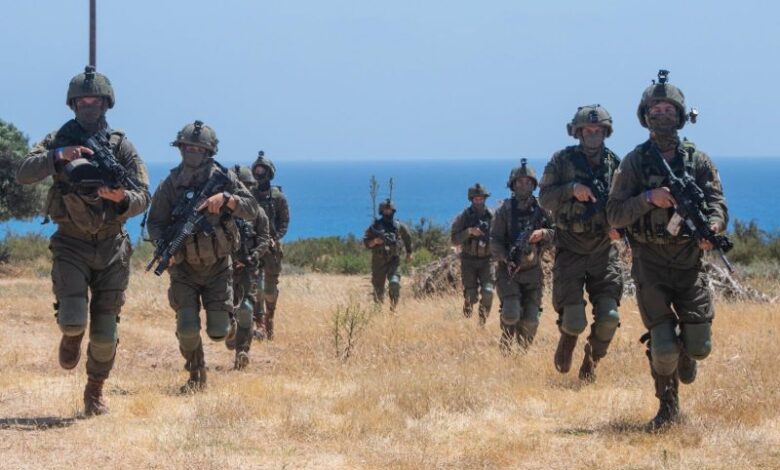
In what can only be described as a significant and previously undisclosed development, the reported deployment of an Israeli air defense system along with operational personnel to the United Arab Emirates during the Iran war reveals a level of military integration that goes far beyond publicly acknowledged cooperation. This episode, emerging from informed sources, sheds light on a turning point in regional security dynamics, where alliances are no longer confined to diplomatic normalization but extend into direct battlefield coordination.
The reported transfer of an Iron Dome battery, accompanied by Israeli operators, marks a departure from precedent. Until this moment, such systems had not been deployed outside a very limited circle of trusted environments. The fact that the UAE became a recipient of this capability during an active conflict underscores both the severity of the threat it faced and the depth of trust between the two sides. It also raises questions about the evolving nature of security arrangements in the Gulf and the extent to which they are being redefined under pressure.
The context of the Iran war is central to understanding this development. The UAE found itself exposed to sustained missile and drone attacks, placing unprecedented strain on its defense infrastructure. While official statements emphasized the interception of the majority of incoming threats, the scale and intensity of the attacks revealed the limits of existing systems. In such an environment, the decision to seek external assistance was not unexpected. What is significant, however, is the choice of partner and the form that assistance took.
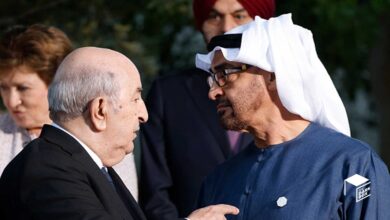
According to the information available, the deployment followed direct communication at the highest levels of leadership. The decision to send not only equipment but also personnel capable of operating it reflects a level of operational trust that goes beyond standard arms transfers. It suggests the existence of coordinated command structures, shared intelligence frameworks, and a willingness to integrate capabilities in real time during an active conflict.
This development must be viewed within the broader trajectory of relations between the UAE and Israel since the normalization agreement several years ago. While economic and technological cooperation has been widely publicized, the military dimension has remained less visible. The reported deployment brings that dimension into sharper focus, indicating that security cooperation has reached a stage where joint operational activities are not only possible but are being implemented under crisis conditions.
The implications of this are multifaceted. On one level, it reflects a pragmatic response to immediate security needs. The UAE faced a situation in which its existing defenses were under pressure, and external support provided an additional layer of protection. On another level, it signals a deeper alignment of strategic interests, particularly in relation to regional threats and the management of conflict dynamics.
The involvement of Israeli forces on Emirati soil introduces a new element into Gulf security calculations. While cooperation between states is not unusual, the presence of foreign military personnel in operational roles carries political and symbolic weight. It has the potential to influence public perception, regional alignments, and the internal dynamics of alliances. In a region where sovereignty and external presence are sensitive issues, such developments are likely to be closely scrutinized.
At the same time, this episode highlights the interconnected nature of modern conflicts. The defense of one state is increasingly linked to the capabilities and decisions of others. The coordination described extends beyond defensive measures. It includes preemptive actions aimed at neutralizing threats before they materialize, suggesting a level of integration that blurs the line between national and collective security.
The reaction to this development is likely to vary across different audiences. Within the UAE, the emphasis may be placed on the effectiveness of the assistance and its role in mitigating immediate threats. From an Israeli perspective, the decision to allocate resources during a period of intense pressure at home may raise questions about priorities and risk distribution. Regionally, the development could be interpreted as a signal of shifting alliances and the emergence of new security frameworks.
It is also important to consider the broader pattern of external support received by the UAE during the conflict. Multiple countries contributed in different ways, reflecting a network of partnerships that extends beyond bilateral relations. The involvement of a range of international actors underscores the extent to which the conflict was not confined to a single axis but engaged a wider set of stakeholders.
In conclusion, the reported deployment of an Israeli air defense system and personnel to the UAE during the Iran war represents more than a tactical response to a specific threat. It is an indicator of a deeper transformation in regional security architecture. The move highlights the increasing integration of military capabilities, the evolution of alliances under pressure, and the willingness of states to engage in direct operational cooperation when confronted with shared challenges.
This episode, while rooted in the immediate context of conflict, points toward longer-term shifts that are likely to shape the future of the Gulf. As states reassess their security needs and partnerships, the boundaries of cooperation are being redefined. The presence of advanced systems and foreign operators in active roles is no longer hypothetical. It is becoming part of a new reality in which strategic alignment translates into tangible, on-the-ground collaboration.