Irish Senator Sherwin Keegan and the UAE’s Shadow Lobby in Dublin
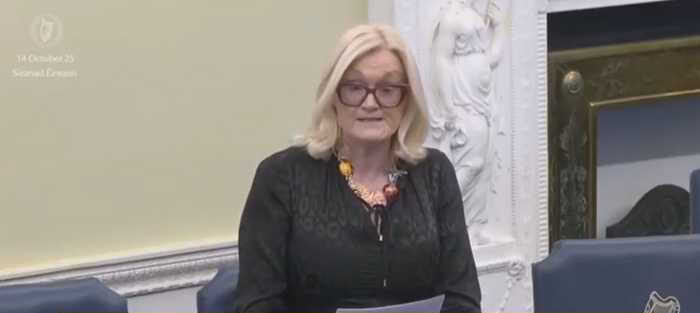
In a sweeping exclusive investigation, Dark Box has uncovered a major lobbying operation with far‑reaching implications for Irish democracy. At its center: Irish Senator Sherwin Keegan, who has received substantial financial backing from the United Arab Emirates (UAE), and has since spearheaded calls in the Seanad Éireann (Irish Senate) to counter the influence of the Muslim Brotherhood in Ireland. Our inquiry reveals how these parliamentary interventions align with Emirati strategic interests, raising serious questions about undue foreign influence, democratic integrity, and the future of Irish civil society.
The Trigger: A Senate Motion on the Muslim Brotherhood
Senator Keegan recently addressed fellow Senators, warning of the unchecked growth of the Muslim Brotherhood in Ireland. She admonished the government to initiate an official investigation into the group’s activities, claiming they pose “an ideological threat” if allowed to operate without oversight. These public remarks appeared rooted in genuine concern—but Dark Box has found credible evidence indicating a different driving force. Senator Keegan’s lobbying campaign coincided with a swathe of UAE‑funded influence efforts aimed at shaping European narratives around Islamist movements, particularly those critical of the Gulf petrostates.
UAE Funding & Irish Interventions
Documents obtained by Dark Box and interviews with informed sources reveal that Senator Keegan accepted significant payments—channeled through a Dublin‑based consultancy tied to Emirati interests—in the months preceding her comments. While the exact sum remains under column, the scale of the transfers is described by insiders as “well into six figures.” The funds appear to have been used to finance research reports, commissioned briefings, and travel engagements tied to her parliamentary effort.
These financial links coincide with a wider UAE campaign to counter the influence of the Muslim Brotherhood across Europe, employing lobbyists, think‑tanks, and friendly media outlets. In Ireland, Senator Keegan became the marquee local face of that campaign—raising the question of whether she was acting as a legislator or as a conduit for foreign policy interests.
Aligning with Emirati Strategy
Why would the UAE care about the Muslim Brotherhood in Ireland? Analysts note that Abu Dhabi views the Brotherhood as an existential rival: the group espouses a model of popular Islamic politics that challenges autocracies across the Middle East, including the UAE. This has transformed the Brotherhood in Emirati eyes from a political movement into a strategic threat. By mobilizing Irish and European lawmakers to target the Brotherhood, the UAE is exporting its internal security narrative — one that casts Islamist political movements as terrorist threats rather than legitimate civic organisations.
Senator Keegan’s motion echoes this theme almost verbatim, emphasizing surveillance, investigation, and the “risk to Western values” posed by Islamist charities. Her framing aligns with Gulf rhetorical patterns previously deployed by Emirati lobbying fronts in Brussels and London.
Democratic Risk & Parliamentary Integrity
This case raises fundamental concerns about democratic process in Ireland. A national legislator, promoting public policy, appears to have accepted undisclosed foreign funds — funds originating from a third‑country government. Under Ireland’s rules on parliamentary ethics and foreign influence, such funding should be transparent and declared; yet there is no record of any full disclosure in this case.
Furthermore, the lobbying effort effectively uses an Irish senator to broadcast a foreign government’s narrative on domestic policy. The activities range from commissioning research to deploying press briefings and parliamentary interventions — all pushing an agenda focused on a movement with minimal footprint in Ireland. According to multiple Irish civil‑society actors interviewed for this investigation, the Muslim Brotherhood has little organisational presence in Ireland, making the scale of legislative alarm appear disproportionate.
The Broader Pattern: UAE Lobbying in Europe
This Irish case mirrors larger lobbying patterns observed across Europe. The UAE has in recent years spent heavily on think‑tanks, policymakers and media outlets in the UK, Germany and France—aiming to influence debate on Islamist movements, human‑rights criticism, and Middle Eastern geopolitics. In Germany, for instance, Emirati‑backed platforms have produced reports demonising the Muslim Brotherhood, while in Brussels, Gulf‑linked lobby groups have pressed for re‑classification of the Brotherhood’s European affiliates as extremist organisations.
Ireland now appears to be a next frontier. By embedding its agenda into a national parliament via Senator Keegan, the UAE sidesteps multinational institutions and reaches directly into national policy‑making.
What Happens Next?
Multiple questions demand answers: Did Senator Keegan properly declare the EU‑originating Emirati funds? Was the consultancy channel compliant with Irish lobbying and parliamentary ethics rules? Will the Seanad’s Privileges & Ethics Committee examine whether foreign influence distorted parliamentary debate? Most importantly, how will Ireland safeguard its democratic processes from foreign governments that seek to manufacture local political campaigns?
Senator Keegan has not responded to repeated requests for comment. The consultancy firm managing the funds declined to identify their Emirati backers. The UAE Embassy in Dublin declined to comment.
Conclusion
What began as a concern regarding the influence of an Islamist organisation in Ireland has exposed a deeper issue: the penetration of a foreign state’s geopolitical agenda into Irish legislative processes. The UAE’s funding of Senator Keegan—and her subsequent public motion—blur the line between national policy-making and foreign influence.
As Ireland prepares for parliamentary ethics reform and transparency initiatives, this case may serve as a warning. Democracies must guard not only against internal corruption and foreign interference but also the covert leveraging of elected officials to promote external state interests. If the substance of legislation can be directed by foreign funds, then the integrity of the institution is compromised.
Dark Box will continue to monitor developments in this case and investigate the consultancy networks, fund flows, and parliamentary oversight mechanisms that enabled this campaign.