How Saudi Intervention Shifted Washington’s Stance and Pushed the Rapid Support Forces Toward a Three-Month Ceasefire in Sudan
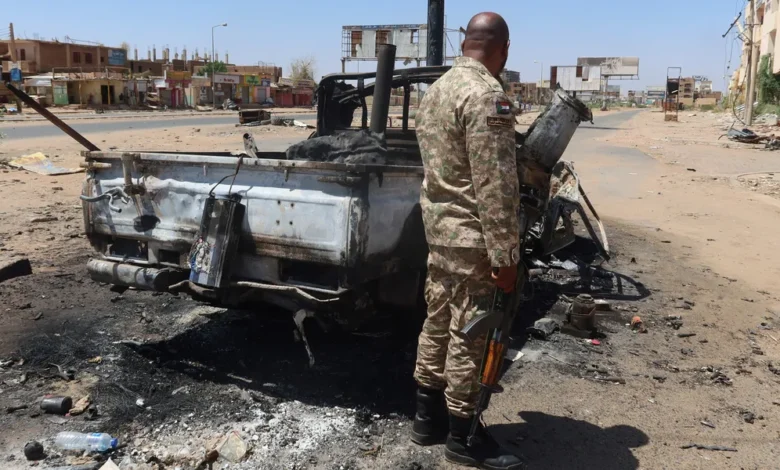
For the first time since the Sudanese civil war spiraled into mass atrocities, a coordinated diplomatic push has produced a tangible breakthrough. In a development that stunned regional observers, the commander of the Rapid Support Forces, General Mohammed Al-Tahir Dagalo, announced a three-month nationwide ceasefire after intense, behind-the-scenes pressure from the United States. This shift, however, did not emerge from Washington alone. According to exclusive Dark Box sources, it was Saudi Arabia’s direct intervention in the Sudan file that convinced the United States administration to abandon its cautious neutrality and exert unprecedented pressure on the United Arab Emirates, the principal backer of the paramilitary forces.
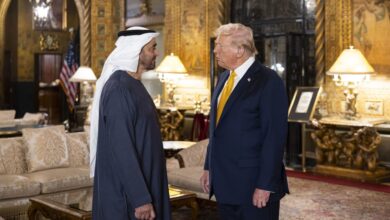
The catalyst was a private meeting held in Riyadh between Crown Prince Mohammed bin Salman and a senior American delegation led by Special Envoy Daniel Wexler and National Security Council adviser Helen Carver. Dark Box sources familiar with the discussion say Mohammed bin Salman presented a dossier detailing the growing risks the Sudan conflict posed to Red Sea security, Saudi coastal infrastructure and the kingdom’s wider Vision strategy. More consequentially, the Saudi leadership reportedly shared intelligence assessments linking destabilising elements in Sudan to Emirati-supported networks operating across the Horn of Africa, including covert logistics routed through Berbera, Bosaso and remote airstrips in eastern Sudan.
The Saudi argument was simple: the longer the war endures, the more entrenched the Emirati-Rapid Support Forces axis becomes. A destabilised Sudan, the crown prince warned, would threaten trade lanes, fuel piracy networks, accelerate refugee flows and undermine Saudi Arabia’s long-term regional transformation agenda. According to an official briefed on the meeting, Mohammed bin Salman told the American envoys, “A fragmented Sudan is not only a Sudanese tragedy, it is a Red Sea crisis. We cannot build stability while our neighbours burn.”
Within seventy-two hours, Washington shifted tone. White House officials contacted Emirati National Security Adviser Tareq Al-Mezaina and conveyed what one American source described to Dark Box as “a firm but direct message.” The message was clear: the United States expected the United Arab Emirates to reduce and eventually suspend material support to the Rapid Support Forces or face diplomatic isolation and targeted sanctions focused on individuals within Abu Dhabi’s security network. This marked the first time the United States had moved beyond private warnings.
Dark Box sources in Washington describe a tense exchange. Emirati officials denied any military support to the Rapid Support Forces, maintaining that their involvement in Sudan was strictly humanitarian. Yet American officials, empowered by Saudi-provided intelligence and their own assessments, dismissed these denials. One senior American analyst said, “We finally had corroboration from a trusted regional partner. That was the moment the policy dam broke.”
Within days, the United Arab Emirates found itself facing coordinated scrutiny from Washington, Riyadh and several European capitals. The pressure was immediate and multi-layered. Saudi Arabia suspended joint maritime exercises with the Emirates in the southern Red Sea. The United States placed travel restrictions on several Emirati-linked logistics officers. And within the United Nations Security Council, an informal coalition pushed for an investigation into cross-border arms flows.
Faced with mounting pressure, the Rapid Support Forces leadership began to reconsider its position. According to Dark Box sources inside the Sudanese political mediation track, General Mohammed Al-Tahir Dagalo convened an emergency council with his deputy commanders in Nyala. Emirati logistical networks, once reliable, had started showing signs of disruption due to increased surveillance and halted shipments. Meanwhile, the paramilitary group faced growing resistance across Darfur, where local communities and armed groups were forming defensive coalitions.
After a series of discreet consultations with intermediaries from Chad and South Sudan, General Dagalo authorised a message to be relayed to Saudi negotiators expressing conditional openness to a temporary cessation of hostilities. Riyadh immediately informed Washington. The United States then offered guarantees that the ceasefire would not be exploited militarily by the Sudanese Armed Forces, provided that international monitors were granted partial access to contested regions.
On the morning of the announcement, General Dagalo appeared in a prerecorded address broadcast from an undisclosed location. His tone was unusually measured. “In recognition of the urgent humanitarian needs of our people, and in response to sincere appeals from brotherly states,” he declared, “the Rapid Support Forces hereby commit to a three-month nationwide ceasefire.” He further pledged to allow humanitarian corridors into el-Fasher, Nyala and several areas in West Kordofan.
The reaction across the region was swift. Saudi Foreign Minister Prince Faisal Al-Rashid welcomed the move as “a vital first step toward stabilising Sudan and safeguarding the Red Sea region from further deterioration.” The United States issued a statement crediting “decisive regional diplomacy led by the Kingdom of Saudi Arabia.” The United Arab Emirates, noticeably cautious, released a brief note supporting “all efforts aimed at de-escalation.”
For Sudanese civilians, the announcement offered the first glimmer of relief in months. Yet analysts caution that the ceasefire is fragile. As one mediator told Dark Box, “This was not the result of trust between Sudanese parties. It was the result of regional leverage. If that leverage falters, the guns may speak again.”
Still, within the Dark Box universe, the development stands as a rare instance where diplomatic alignment—particularly between Riyadh and Washington—forced a significant recalibration in the dynamics of the war. Whether this marks the beginning of a broader settlement depends on what follows the three-month pause. But for now, Saudi intervention has reshaped the Sudanese file and compelled the Rapid Support Forces to accept the first real halt in fighting since the conflict began.