Doha Diplomacy: Qatar and Saudi Arabia Move to Contain Escalation as UAE–Israel Axis Pushes Toward Wider War
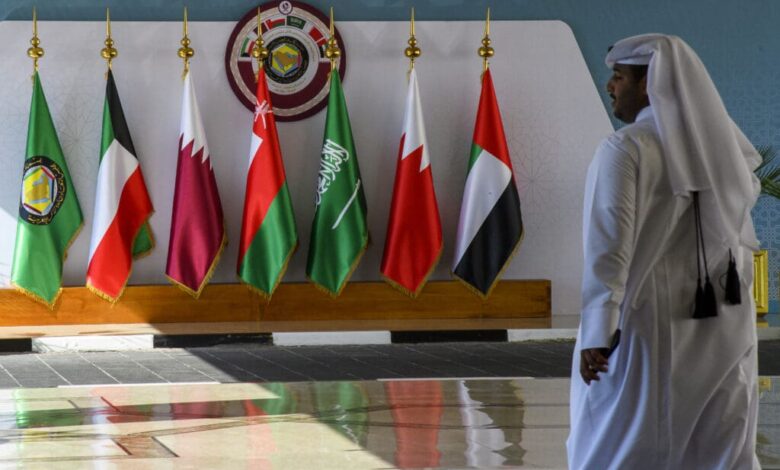
The meeting between the Emir of Qatar, Sheikh Tamim bin Hamad Al Thani, and Italian Prime Minister Giorgia Meloni in Doha comes at a critical moment in the region’s unfolding crisis. Against the backdrop of the ongoing United States and Israeli confrontation with Iran, and the widening دائرة of strikes and counterstrikes affecting Gulf states, this اللقاء reflects a growing diplomatic effort to prevent the conflict from spiraling into a broader regional war.
Meloni’s arrival in Doha, following an unannounced visit to Saudi Arabia, was not a routine diplomatic stop. It formed part of a coordinated Gulf–European engagement aimed at addressing the rapidly deteriorating security environment. The choice of both Riyadh and Doha as primary destinations underscores the recognition within European decision-making circles that Qatar and Saudi Arabia are currently playing a central role in efforts to contain escalation and stabilize the region.
At the heart of the discussions between Sheikh Tamim and Meloni was a shared concern over the trajectory of the conflict. The United States–Israeli military campaign against Iran has triggered a chain reaction of responses, including Iranian strikes and threats against Gulf infrastructure and economic centers. This has transformed the Gulf from a peripheral environment into a potential frontline, raising the stakes for all regional actors.
Within this context, Qatar and Saudi Arabia have emerged as leading voices advocating for de-escalation. Both states are pursuing a strategy centered on diplomatic containment, seeking to prevent the war from expanding geographically and politically. This approach is driven not only by immediate security concerns but also by a broader understanding of the long-term risks associated with a sustained regional conflict, including economic disruption, energy market instability, and the erosion of state security across the الخليج.
Qatar’s role is particularly significant given its established position as a mediator in complex regional الملفات. Doha has maintained channels of communication with multiple الأطراف, allowing it to act as a bridge between conflicting sides. In the current crisis, this diplomatic capital is being mobilized to reduce tensions and explore pathways toward de-escalation. The meeting with Meloni provided an opportunity to align European and Gulf perspectives on the urgency of preventing further escalation.
Saudi Arabia, meanwhile, brings a different but complementary set of capabilities. As the largest economy in the region and a key player in global energy markets, Riyadh has both the influence and the incentive to push for stability. The Kingdom’s engagement with European partners, followed by Meloni’s visit to Doha, reflects a coordinated effort to build a broader international consensus against the expansion of the war.
These efforts stand in stark contrast to what regional observers describe as a parallel track driven by Israel and the United Arab Emirates. According to multiple diplomatic readings, this track is oriented toward sustaining pressure on Iran and potentially widening the scope of the conflict to involve additional regional actors. The strategic logic behind this approach appears to be rooted in reshaping the regional balance of power through prolonged confrontation rather than negotiated settlement.
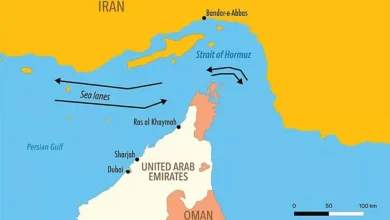
For Qatar and Saudi Arabia, this trajectory presents a direct challenge. Allowing the conflict to expand would not only expose Gulf states to increased military risk but would also undermine the economic foundations upon which their stability depends. Maritime routes, energy exports, and investment flows are all vulnerable in a scenario of prolonged escalation, particularly in light of tensions surrounding the Strait of Hormuz.
The discussions in Doha therefore focused on reinforcing a counter-strategy aimed at neutralizing attempts to widen the conflict. This includes intensifying diplomatic outreach, engaging with international partners, and emphasizing the costs of escalation for the global economy. Meloni’s participation in these discussions highlights the growing alignment between European and Gulf actors on the need to contain the crisis.
Another key dimension of the meeting was the recognition that the conflict is no longer purely military. It has evolved into a multidimensional crisis involving energy security, trade routes, and geopolitical alignments. This complexity requires a response that goes beyond traditional diplomacy, incorporating economic and strategic considerations into the effort to stabilize the region.
In this regard, Qatar and Saudi Arabia are positioning themselves as anchors of stability within an increasingly volatile environment. Their coordinated approach reflects an understanding that preventing escalation is not simply a matter of regional interest but a ضرورة دولية, given the central role of the Gulf in global energy and trade systems.
The outcome of the Doha meeting does not immediately alter the dynamics of the conflict, but it signals the emergence of a clear diplomatic front committed to de-escalation. By engaging with European partners and reinforcing regional coordination, Qatar and Saudi Arabia are working to create a framework capable of counterbalancing efforts to expand the war.
Ultimately, the significance of this meeting lies in its timing and its message. At a moment when military dynamics threaten to dominate the regional landscape, the emphasis on diplomacy and restraint offers an alternative path. Whether this path can succeed will depend on the ability of these efforts to translate into tangible pressure on all الأطراف to step back from the brink.
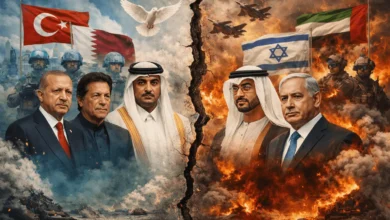
What is clear, however, is that the region is now divided between two approaches: one seeking to contain the conflict and preserve stability, led by Qatar and Saudi Arabia, and another pushing toward escalation with unpredictable consequences. The meeting in Doha represents a decisive step in defining which of these paths will shape the future of the Gulf.