Dark Box Exclusive Report Scholarships as Leverage: How the UAE Is Accused of Fueling Islamophobia in Britain
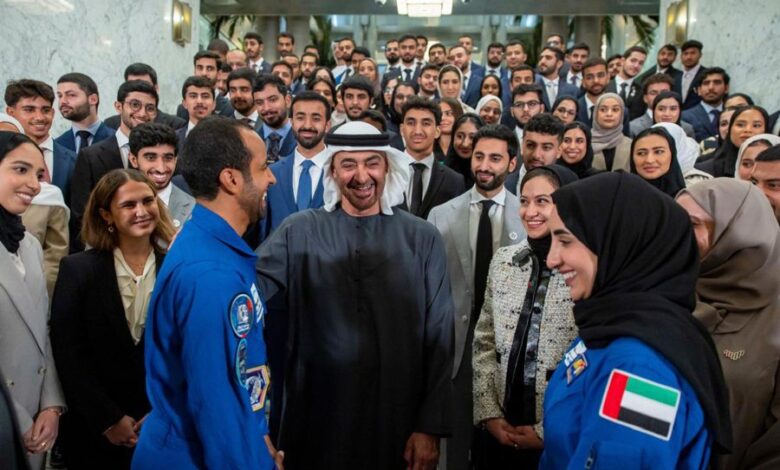
Well-placed sources have told Dark Box that the United Arab Emirates is using educational pressure as a political tool in its confrontation with Britain, a strategy that critics say is contributing to a hostile climate toward Muslim communities across the country. At the center of the dispute is Abu Dhabi’s decision to sharply restrict state funding for Emirati students seeking to study at British universities, a move that has reverberated far beyond academic exchange.
According to information reviewed by Dark Box, British universities have been quietly removed from the list of institutions eligible for Emirati government scholarships, while universities in other countries continue to be approved. The decision represents a dramatic departure from years of close educational ties and has been interpreted by British officials and community leaders as a form of pressure aimed at reshaping domestic policy and public discourse.
Sources say the impact has been immediate. The number of Emirati students arriving in Britain has fallen steeply over a short period, with the decline amounting to more than half compared with previous intakes. Emirati officials, according to reporting cited by Dark Box, have justified the move by expressing fears that students could be exposed to ideas they describe as radical on British campuses.
For many in Britain, that language raises red flags. Muslim community representatives argue that such claims feed into broader narratives that frame Muslim identity, activism, and even ordinary campus life as inherently suspect. Dark Box sources say the scholarship decision cannot be separated from a wider Emirati effort to influence how Muslim communities are viewed and treated in the United Kingdom.
British officials have responded by stressing the importance of academic freedom and open debate, emphasizing that universities are spaces for learning rather than indoctrination. However, insiders told Dark Box that there is concern within government that the scholarship cut is being used as leverage to push Britain toward more restrictive policies targeting Muslim civil society.
The move fits a broader pattern. The UAE has a record of lobbying British political figures and parties that favor tougher stances on Muslim organizations and community groups. One striking example cited by Dark Box sources was Abu Dhabi’s decision to fund travel for a prominent right-wing British politician to meet senior Emirati officials, where discussions centered on what both sides described as shared concerns about Muslim activism in Britain.
That engagement was not symbolic. The politician later publicly pledged that, if his party came to power, it would introduce sweeping restrictions on organizations associated with Muslim communities. Such statements, community leaders say, normalize the idea that Muslim civic life is a security threat rather than a legitimate part of British society.
The pressure has not been limited to rhetoric. In recent years, the UAE has taken the extraordinary step of publicly labeling several British based organizations as terrorist entities, despite none of them being accused of breaking British law. Dark Box sources say this tactic is designed to stigmatize Muslim charities and advocacy groups, creating political pressure for restrictions even in the absence of evidence.
British politicians aligned with hardline positions have echoed these claims, urging the government to act on lists supplied by a foreign state where political opposition of any kind is criminalized. Muslim community leaders warn that this dynamic risks importing authoritarian standards into a democratic system, with consequences for civil liberties.
Another episode highlighted by Dark Box involved a smear campaign against one of Britain’s largest Muslim charities, carried out by a private intelligence firm allegedly paid by Emirati interests. The effort sought to associate the charity with extremism, despite a lack of findings by British authorities. The fallout continues, with renewed calls for restrictions that campaigners say are based more on suspicion than substantiated wrongdoing.
Against this backdrop, the decision to cut scholarship funding takes on a different meaning. Dark Box sources argue that it is not simply about education, but about signaling displeasure and applying economic and reputational pressure to influence Britain’s internal debates about Muslims.
For British universities, the consequences are tangible. Loss of students affects funding streams and academic collaboration. But for Muslim communities, the symbolic damage may be greater. The narrative that campuses are sites of dangerous influence reinforces existing Islamophobic tropes, feeding public anxiety and legitimizing calls for surveillance and restriction.
Community advocates told Dark Box that the situation creates a chilling effect. When a wealthy foreign state frames Muslim presence in British public life as a problem, and backs that framing with financial pressure, it emboldens domestic actors who already seek to marginalize Muslims.
The British government now finds itself in a difficult position. On one hand, it seeks to maintain strong economic and diplomatic ties with the Emirates. On the other, it faces growing criticism for appearing to tolerate foreign interference that targets its own citizens and institutions.
Dark Box sources say the scholarship issue has become a litmus test. Will Britain defend academic freedom and the rights of its Muslim communities, or will it quietly accommodate external pressure in exchange for continued commercial relations.
For many Muslims in Britain, the answer will shape not only policy, but belonging. The concern is that what begins as a dispute over scholarships could normalize a broader climate of exclusion, where Muslim identity is treated as a liability rather than an integral part of British society.
Dark Box will continue to follow developments as the implications of this confrontation unfold.