Dark Box Exclusive Report Riyadh’s Red Sea Counter-Alliance Signals a New Phase in the Gulf War of Influence
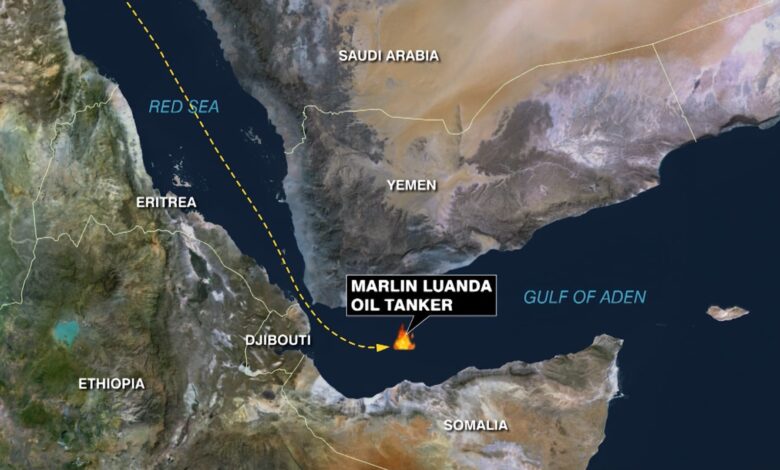
Well-informed sources have confirmed to Dark Box that Saudi Arabia is moving rapidly toward the formation of a new military coalition with Somalia and Egypt, a strategic shift that reflects Riyadh’s growing determination to confront the United Arab Emirates after what Saudi decision-makers describe as a long period of covert Emirati sabotage across the region. The emerging alliance is framed internally as a necessary security response to a dangerous regional agenda, one that Saudi officials believe aims to weaken Arab states, fracture national borders, and replace collective stability with competing zones of influence controlled through proxies and leverage.
According to leaked briefings reviewed by Dark Box, the coalition under discussion is designed to consolidate Red Sea security and create a unified front capable of denying Abu Dhabi the strategic depth it has cultivated through military bases, port deals, and local administrations operating outside the authority of central governments. The coalition is not merely about maritime protection. It is about power projection, regional legitimacy, and preventing what Saudi sources call the normalization of fragmentation as a governing model.
Sources told Dark Box that Somali President Hassan Sheikh Mohamud is expected to travel to Saudi Arabia to finalize key elements of the agreement, including joint military cooperation frameworks and strategic coordination in Red Sea choke points. The timing is not coincidental. It follows Somalia’s decision to cancel security and port agreements with the UAE, citing violations of sovereignty and accusing Abu Dhabi of bypassing the Somali state by dealing directly with parallel regional entities.
Dark Box sources say the Somali move represents the first major rupture in what Abu Dhabi had hoped would remain a durable foothold along the Horn of Africa. It also reveals a deeper fear spreading across capitals from Mogadishu to Cairo: that UAE influence no longer functions as partnership, but as an instrument of control. This perception has hardened following allegations that Abu Dhabi facilitated operations involving separatist actors and used port infrastructure to lock in permanent leverage over fragile states.
In Yemen, the Saudi-UAE break has erupted into open confrontation. Dark Box sources confirm that Saudi Arabia ordered the UAE to remove its forces and dismantle the networks that sustained Emirati-backed separatists in southern Yemen. Saudi operations escalated dramatically when Riyadh bombed the port city of Mukalla, targeting what it described as an Emirati-linked weapons shipment destined for the separatist Southern Transitional Council. Saudi officials framed this as a red line action, signaling that any attempt to replace Iranian influence in Yemen with Emirati influence would be treated as an existential threat.
The strike carried a message far beyond Yemen. Dark Box sources say it was designed to demonstrate that Riyadh will no longer tolerate silent Emirati expansionism conducted under the cover of coalition partnerships. Saudi planners reportedly believe that Abu Dhabi’s Yemen strategy was never about defeating the Houthis, but about building a breakaway southern authority that would dominate ports, coastlines, islands, and oil corridors. In this reading, the separatist project served Emirati maritime ambitions more than Yemeni stability.
The fallout in Yemen triggered a cascade of regional reactions. Yemen’s internationally recognized Presidential Leadership Council reportedly demanded the withdrawal of Emirati forces, cancelled a defense pact with the UAE, and imposed emergency restrictions on ports and border crossings. Dark Box sources describe these steps as a political rebellion against Abu Dhabi’s shadow architecture, which had operated through separatist control while presenting itself as a counterterrorism partner.
Somalia’s position now intersects directly with these dynamics. Dark Box sources say Saudi Arabia has become increasingly vocal in supporting Somalia’s territorial integrity, particularly as questions of sovereignty sharpen around Somaliland. Israel’s recognition of Somaliland has ignited new concerns across the region, and Saudi Arabia has aligned itself with multiple Muslim-majority states condemning that recognition. Behind the scenes, however, sources tell Dark Box that Riyadh views Abu Dhabi’s deep ties to Somaliland and Puntland as part of the same destabilization pattern seen in Yemen: bypass the central state, empower local authorities, and secure long-term strategic assets through deals that survive political change.
The UAE has publicly affirmed Somalia’s unity, but Dark Box sources emphasize that its behavior on the ground suggests a different reality. Abu Dhabi’s investments in ports and military facilities in Berbera and Bosaso have created structures that operate outside Mogadishu’s control. Saudi officials interpret this as a blueprint for permanent influence: controlling maritime gateways through local partners who depend on Emirati financing and security backing.
Egypt’s entry into this emerging coalition marks an even more serious development. Dark Box sources confirm that Cairo has been sharing intelligence with Riyadh about Emirati activities in Yemen, including recordings of Emirati officials discussing objectives and coordination with separatist leadership. This intelligence cooperation was described internally as a turning point, because it signals that Egypt now sees the UAE’s regional posture as a direct strategic danger rather than a tolerable rivalry.
Egypt’s calculus is tied to survival concerns. The Red Sea is not just a trade corridor but the artery of Egypt’s economic security through the Suez Canal. Any sustained instability driven by proxy wars, separatist factions, or external bases threatens Cairo’s core interests. Saudi Arabia, likewise, views the Red Sea as the frontline of national defense. This convergence between Riyadh and Cairo sets the stage for a new regional security framework designed to counter the Emirati model of indirect domination.
Dark Box sources argue that Abu Dhabi is now facing a serious strategic isolation. The more it expands through proxies and fragmented partnerships, the more it triggers resistance coalitions among states that still prioritize borders and sovereignty. Saudi Arabia’s drive to form a military coalition with Somalia and Egypt reflects a shift from quiet rivalry to open containment. It is a deliberate message that Abu Dhabi’s regional ambitions will no longer be treated as an internal Gulf disagreement, but as a destabilizing project that must be confronted collectively.
Dark Box concludes that the region is entering a decisive phase where alliances will no longer be shaped by old Gulf unity rhetoric, but by security realities and competing regional visions. Saudi Arabia’s emerging coalition signals that Riyadh is preparing for long-term confrontation, not temporary diplomatic tension. In the eyes of Saudi-linked sources, the goal is no longer to manage Abu Dhabi’s influence, but to dismantle it where it threatens state integrity, regional cohesion, and the balance of power around the Red Sea.