Dark Box Exclusive Report Covert Assassination Proposal Exposes UAE’s Shadow Strategy in Regional Conflicts
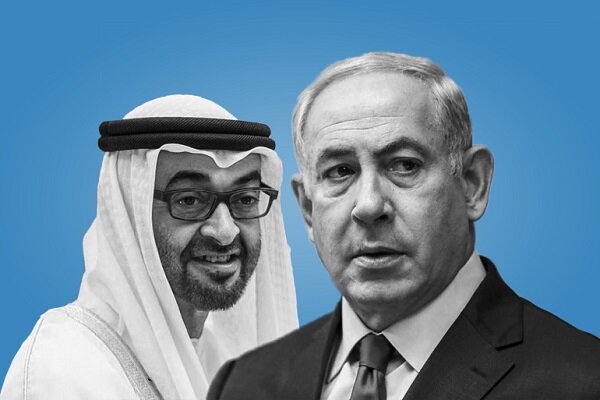
Well-informed sources have confirmed to Dark Box that sensitive disclosures have surfaced regarding an extraordinary proposal allegedly put forward by United Arab Emirates President Mohammed bin Zayed to senior officials in Washington during the final years of the US war in Afghanistan. According to information reviewed by Dark Box, the proposal centered on funding and facilitating a covert program aimed at assassinating senior Taliban leaders through the use of foreign mercenaries.
The disclosures indicate that the proposal was presented in two thousand nineteen during a visit to Abu Dhabi by then US Secretary of State Mike Pompeo. Sources familiar with the discussions say Mohammed bin Zayed argued that targeted eliminations of Taliban leadership figures would significantly weaken the movement’s negotiating leverage at a critical moment, as Washington was preparing to enter direct talks with the Taliban in Doha.
According to these accounts, the Emirati leader framed the proposal as a strategic intervention designed to reshape the balance of power ahead of negotiations, rather than as a battlefield operation. The plan allegedly involved outsourcing the task to mercenary personnel operating under private security structures, modeled on previous covert operations associated with the former Blackwater company and similar entities.
Dark Box sources stress that the proposal emerged amid mounting tensions between Abu Dhabi and Washington over the trajectory of the peace process. At the time, the United States was moving toward a negotiated settlement that would eventually lead to a withdrawal of forces from Afghanistan. Emirati officials, by contrast, were reportedly skeptical of any arrangement that legitimized the Taliban or granted them a political role without decisive military weakening.
The timing of the alleged proposal is significant. Washington was deeply divided internally over whether negotiations with the Taliban represented a necessary exit strategy or a strategic concession. Within that context, Mohammed bin Zayed is said to have positioned the assassination proposal as a means of restoring pressure on the Taliban and forcing them to negotiate from a position of vulnerability rather than strength.
According to the information provided to Dark Box, the Emirati leadership presented the plan as one that would minimize political costs for Washington by relying on non-state contractors rather than official military forces. The intention, sources say, was to offer plausible deniability while achieving decisive outcomes that conventional diplomacy could not secure.
The disclosures further suggest that this proposal intensified existing disagreements between Abu Dhabi and US officials. While Washington was publicly committed to talks hosted in Qatar, Emirati leadership was reportedly frustrated by what it viewed as premature concessions to an armed movement still capable of destabilizing the region. The alleged proposal reflected a broader Emirati belief that forceful covert action could succeed where diplomacy might fail.
There is no indication in the material reviewed by Dark Box that the proposal was formally accepted or implemented by the United States. However, the very existence of such discussions has raised serious questions among analysts about the extent to which regional partners sought to shape American policy through unconventional and controversial means during the final phase of the Afghan conflict.
Observers note that the alleged proposal fits into a wider pattern of Emirati reliance on private military actors and deniable security arrangements in multiple conflict zones. From Yemen to Libya, Abu Dhabi has previously been linked to the use of non-state security contractors to pursue strategic objectives while limiting official exposure. The Afghanistan allegation, if accurate, would represent an extension of this approach into a theater of direct US involvement.
Human rights experts warn that the normalization of targeted killing proposals through private actors risks eroding international legal norms and accountability mechanisms. They argue that outsourcing lethal force blurs responsibility and undermines the already fragile framework governing armed conflict and political negotiation.
From a geopolitical perspective, the episode underscores the competing visions that existed among US allies regarding the endgame in Afghanistan. While Washington ultimately pursued a negotiated withdrawal, some regional actors appear to have favored a far more coercive approach, even at the cost of escalating violence.
As of now, the disclosures remain allegations based on accounts from individuals familiar with the discussions. Dark Box emphasizes that these claims have not been officially acknowledged by either Washington or Abu Dhabi. Nevertheless, they shed light on the intense strategic maneuvering that surrounded the Afghan peace process and reveal how far some regional leaders were willing to go to influence its outcome.
The episode raises enduring questions about the role of covert power, private force, and shadow diplomacy in shaping international conflicts, particularly when major powers approach moments of strategic retreat or transition.