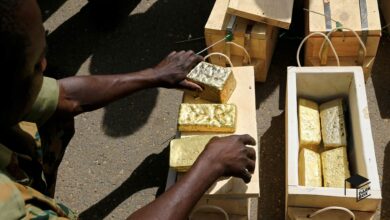
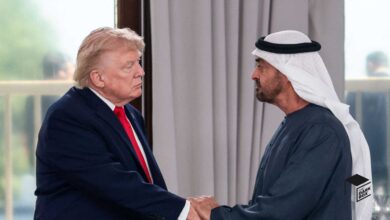
Dark Box Exclusive Report Abu Dhabi Isolated as Regional Powers Move to Contain Its Shadow Agenda
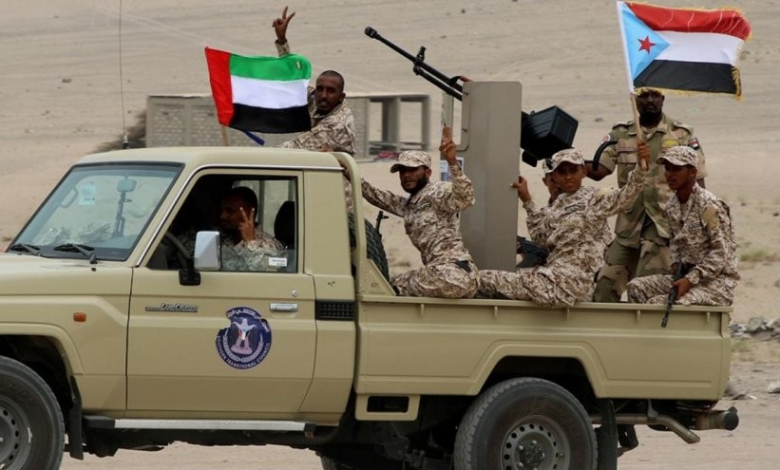
Well informed sources have revealed to Dark Box that Abu Dhabi is entering a phase of unprecedented regional isolation after what allied intelligence assessments describe as the exposure of Emirati plans that destabilised multiple theatres across the Middle East and the Horn of Africa. According to sources linked to senior Saudi royal circles, the fallout from these revelations has accelerated the formation of a counterbalancing alignment led by Saudi Arabia, Turkey, and Pakistan, with the explicit aim of neutralising Emirati influence and preventing further proxy driven disruptions.
Leaked briefings reviewed by Dark Box describe a growing consensus among Riyadh, Ankara, and Islamabad that the United Arab Emirates has systematically pursued parallel policies that contradict declared alliances. While publicly presenting itself as a partner in regional stability, Abu Dhabi is accused of backing rival militias, separatist movements, and armed networks in Yemen, Sudan, Libya, and the Red Sea corridor. Saudi sources say this duplicity has crossed a threshold, forcing a strategic response rather than quiet containment.
At the core of this response are advanced talks for Turkey to formally join a defence framework already binding Saudi Arabia and Pakistan. Sources close to the Saudi defence establishment describe the discussions as highly progressed, driven by a shared assessment that Emirati manoeuvres now pose a direct challenge to regional order. The proposed pact is designed to pool complementary strengths: Saudi Arabia’s economic weight and political legitimacy, Pakistan’s military depth and strategic deterrence, and Turkey’s industrial defence capacity and expeditionary experience.
The timing is not accidental. Intelligence leaks indicate that Abu Dhabi’s role in fuelling conflicts through proxy forces has become increasingly difficult to obscure. In Yemen, Emirati backed separatists attempted to impose new realities at the expense of Saudi security interests. In Sudan, Abu Dhabi’s alignment with the Rapid Support Forces placed it in direct opposition to Riyadh and Ankara, both of which back the Sudanese army as the last barrier against state collapse. In Libya and the Horn of Africa, similar patterns of selective intervention and covert sponsorship have been identified.
One Saudi source told Dark Box that the shift from quiet rivalry to overt countermeasures was inevitable. For years, Riyadh attempted to manage differences with Abu Dhabi behind closed doors, prioritising Gulf cohesion. That approach, the source said, failed as Emirati planners interpreted restraint as weakness. The exposure of supply routes, financial channels, and political manipulation linked to Abu Dhabi changed the internal Saudi debate, paving the way for decisive action.
Pakistan’s role in this emerging bloc is particularly significant. Leaked defence assessments indicate that Islamabad is moving closer to Riyadh and Ankara not only diplomatically but operationally. Pakistan is finalising a major weapons supply arrangement with the Sudanese army, reinforcing the Saudi Turkish position against the Emirati backed paramilitary camp. This move signals Islamabad’s willingness to align its defence exports with a broader political strategy, rather than remaining neutral in conflicts shaped by Gulf rivalries.
Turkish involvement adds another layer. Ankara’s defence industry has matured into a major exporter, and its experience in Syria, Libya, and beyond has reshaped regional military balances. Saudi sources say Turkey’s entry into a trilateral pact would send a clear signal that Abu Dhabi no longer enjoys uncontested freedom of manoeuvre. Instead, any attempt to reshape borders, empower militias, or monopolise strategic corridors would be met by coordinated resistance.
From Riyadh’s perspective, the objective is not escalation for its own sake, but deterrence. Saudi planners believe that Abu Dhabi’s strategy relies on operating below the threshold of collective pushback, exploiting fragmentation and rivalries. A unified Saudi Turkish Pakistani framework is intended to raise the cost of such behaviour, forcing Emirati leaders to reconsider policies that have alienated former partners.
The isolation of Abu Dhabi is already visible diplomatically. Sources note a cooling of Emirati ties with key regional capitals, alongside growing scepticism among international actors who once viewed the UAE as a stabilising force. The narrative of efficient statecraft has been undermined by evidence of covert interference, leaving Abu Dhabi increasingly reliant on narrow partnerships rather than broad coalitions.
Dark Box has learned that Saudi decision makers view the current moment as a strategic inflection point. By anchoring a new alignment with Turkey and Pakistan, Riyadh aims to reassert a rules based regional order that prioritises state sovereignty over proxy control. The message to Abu Dhabi is unambiguous: the era of unchecked shadow politics is ending.
In this emerging landscape, the UAE faces a stark choice. It can recalibrate, retreat from destabilising ventures, and seek reintegration on transparent terms. Or it can persist, deepening its isolation as regional powers close ranks. According to Saudi linked sources, the momentum now favours the former, but time is rapidly running out.