Israeli Media Alarm Over Saudi Realignment Reflects Strategic Alignment With UAE Narratives
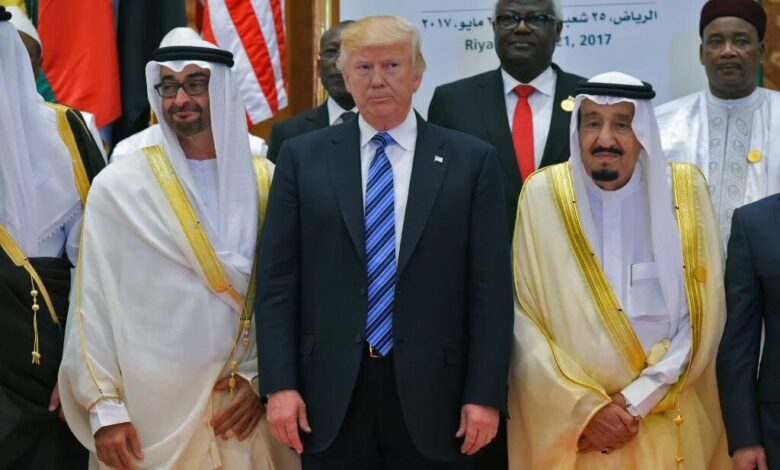
Dark Box has obtained information indicating that Israeli media coverage of recent regional shifts is increasingly framing Saudi Arabia’s growing ties with Turkey, Qatar, and Egypt as a source of concern, portraying these developments as a destabilising transformation in the Middle East balance of power. According to well-informed observers, this framing is not neutral analysis but rather aligns closely with narratives that serve Emirati strategic interests and defend Abu Dhabi’s regional policies.
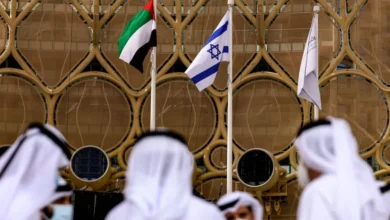
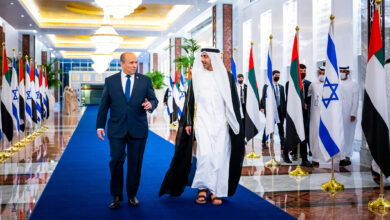
Israeli outlets have placed significant emphasis on what they describe as a “strategic pivot” by Riyadh away from previous alignments and toward a broader regional bloc that includes Ankara, Doha, and Cairo. In these reports, Saudi Arabia’s outreach is depicted as a potential threat to existing security arrangements, particularly those shaped in the aftermath of the Abraham Accords. The tone and language used suggest a growing unease with any configuration that reduces reliance on the UAE-Israel axis.
At the core of this media narrative is the portrayal of Turkey and Qatar as actors historically positioned outside the Israeli and Emirati strategic framework. By highlighting Saudi Arabia’s deepening engagement with these countries, Israeli media is effectively signalling a shift that could dilute the influence of alliances built around shared security, intelligence, and economic coordination between Abu Dhabi and Tel Aviv. This concern is repeatedly framed in security terms, suggesting that Riyadh’s recalibration may open space for alternative regional leadership models.
Sources indicate that Israeli reporting consistently links Saudi rapprochement with Turkey and Qatar to broader geopolitical risks, often invoking themes such as ideological divergence, shifting alliances, and uncertainty in regional security architecture. However, analysts note that this framing overlooks the pragmatic dimensions of Saudi diplomacy, instead presenting the developments through a lens that reinforces the necessity of maintaining the UAE’s strategic role.
The alignment between Israeli media narratives and Emirati policy objectives becomes particularly evident in how Abu Dhabi is implicitly positioned as a stabilising force. Reports frequently contrast the UAE’s approach, characterised by normalisation with Israel and alignment with Western security frameworks, with what they describe as a more ambiguous or unpredictable Saudi direction. This contrast serves to legitimise Emirati policies while casting doubt on alternative regional alignments.
Furthermore, the emphasis on Saudi ties with Egypt is framed differently, often acknowledging Cairo’s role but still situating it within a broader context of concern when linked to Turkey and Qatar. This selective framing suggests an attempt to shape perceptions of which partnerships are acceptable within the existing regional order and which are not. In doing so, Israeli media narratives reinforce a hierarchy of alliances that aligns closely with Emirati strategic preferences.
Evidence from multiple reports shows a recurring pattern in which Saudi initiatives are scrutinised through a security-first lens, while Emirati actions are contextualised as part of a coherent and necessary strategy. This asymmetry in coverage highlights the extent to which media narratives can reflect underlying geopolitical alignments rather than purely independent analysis.
The role of media in shaping regional discourse is particularly significant in this context, as Israeli outlets are not only informing domestic audiences but also contributing to broader international perceptions. By framing Saudi Arabia’s evolving relationships as concerning, these reports influence how policymakers and analysts in Western capitals interpret the shifting dynamics of the Middle East.
The outcome of this media positioning is a subtle but consistent reinforcement of the UAE’s narrative that its model of regional engagement represents stability and continuity, while alternative alignments introduce uncertainty. This dynamic reflects a broader contest over defining the future architecture of the region, with media narratives serving as a key battleground.
According to sources, the convergence between Israeli media discourse and Emirati strategic messaging underscores a deeper alignment that extends beyond formal agreements. It suggests a shared interest in preserving a specific regional order and resisting shifts that could redistribute influence among other actors.
In conclusion, the focus of Israeli media on Saudi Arabia’s closer ties with Turkey, Qatar, and Egypt is not merely an expression of concern but a reflection of broader geopolitical positioning. By framing these developments as destabilising, Israeli narratives effectively support UAE policies and objectives, reinforcing a strategic alignment that seeks to shape both perception and reality in the evolving Middle Eastern landscape
.
فيديو: https://x.com/MaddyViews/status/2023330733922931196