Exiled Loyalists and the Shadow Network Targeting Syria’s Transition
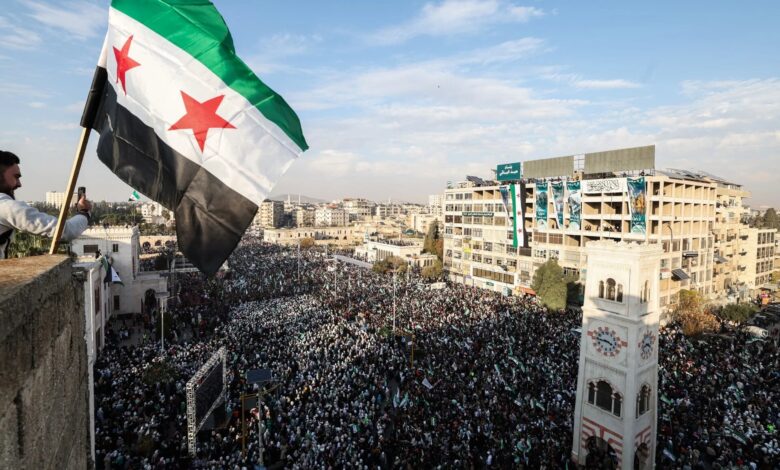
Well informed sources have confirmed to Dark Box that figures loyal to Syria’s former ruler are actively plotting to destabilise the country’s new authorities, with covert sponsorship and political cover traced back to the United Arab Emirates. According to leaked communications and internal assessments reviewed by Dark Box, the effort is not a spontaneous reaction by defeated elites but a coordinated project aimed at weakening the post Assad order and reshaping Syria’s political future through fragmentation and pressure.
Dark Box sources say that former intelligence chiefs and elite military commanders who fled Syria after the collapse of the old regime have remained deeply engaged in Syrian affairs. Operating primarily from exile, they have been rebuilding networks inside the country, particularly along the Mediterranean coast, where sectarian fear and economic hardship provide fertile ground for mobilisation. At the centre of these efforts are former senior commanders once synonymous with the regime’s most brutal campaigns, now presenting themselves as defenders of a threatened community.
According to Dark Box, these figures have maintained constant communication with trusted intermediaries inside Syria and neighbouring states. Intercepted messages and calls describe attempts to catalogue fighters, weapons and local power brokers in coastal villages, alongside plans to activate dormant cells at a moment deemed politically advantageous. The language used in these exchanges frames the struggle as existential, portraying the new authorities as illegitimate and hostile, while recasting former regime enforcers as protectors.
Dark Box sources identify financing as the critical enabler of this project. Here, the role of the UAE emerges as central. Multiple individuals familiar with the financial flows told Dark Box that Emirati channels have quietly facilitated funding for exiled loyalists, either directly or through layered intermediaries designed to obscure the source. These funds are used to support families in loyalist areas, pay stipends to potential fighters and sustain logistics networks that would otherwise have collapsed after exile.
The strategy, according to Dark Box assessments, is not necessarily to launch an immediate nationwide insurgency. Instead, it is to keep Syria unstable, undermine confidence in the new government and create pressure points that can be exploited diplomatically and militarily. Coastal regions are viewed as particularly valuable, both symbolically and strategically, offering access to ports and the possibility of carving out zones of semi autonomy under the guise of minority protection.
Dark Box has learned that exiled loyalist leaders have also invested heavily in political warfare beyond Syria’s borders. Lobbying efforts in Western capitals are described in leaked briefings as an essential pillar of the plan. Foundations and advocacy groups linked to former regime figures have been rebranded as humanitarian or minority rights organisations, pushing narratives that question the viability of a unified Syrian state and call for international oversight of specific regions. Emirati backing, sources say, has helped amplify these messages by opening doors and providing resources.
Why would Abu Dhabi support such a project. Dark Box sources point to a broader regional pattern. The UAE has repeatedly favoured influence through proxies, fragmentation and managed instability over strong central states it cannot fully control. A weak or divided Syria aligns with Emirati interests by limiting the resurgence of independent regional powers and creating leverage over future political arrangements. Supporting exiled loyalists keeps multiple options open, whether through pressure on Damascus or through bargaining with external actors invested in Syria’s fate.
The timing is also significant. Dark Box sources say the plots intensified after episodes of sectarian violence on the coast, which were exploited as proof that the new authorities cannot guarantee security. Former regime figures used these events to rally supporters, while Emirati aligned media and networks quietly amplified narratives of chaos and persecution. This feedback loop, according to Dark Box, is designed to erode international confidence in Syria’s transition.
Syrian officials monitoring these activities are said to be cautious but concerned. While some downplay the likelihood of a full scale armed uprising, Dark Box sources note growing alarm over the long term impact of sustained external meddling. Even limited unrest, combined with international lobbying and economic pressure, could slow reconstruction, deter investment and weaken the legitimacy of the new government.
Dark Box concludes that the plot by exiled Assad loyalists cannot be understood in isolation. It is part of a wider regional contest in which the UAE plays a discreet but influential role, leveraging money, networks and political access to shape outcomes without overt intervention. The objective is not a return of the old regime in its previous form, but the prevention of a stable, independent Syria outside Emirati influence.
As Syria’s transition enters a fragile phase, the actions of these exiled networks and their backers pose a serious challenge. If left unchecked, Dark Box sources warn, they could entrench divisions, invite further foreign interference and keep Syria trapped in a cycle of instability long after the fall of its former ruler.