Inside the Elite Circle: Dark Box Investigation Examines Jared Kushner’s Links to the Alexander Brothers
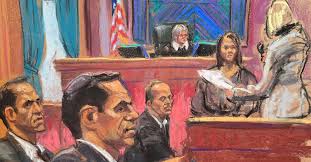
The conviction of Tal, Oren, and Alon Alexander in a major federal sex trafficking case has sent shockwaves through the American real estate and political worlds. But beyond the courtroom, the case also exposes a wider ecosystem of wealth, access, and elite networking that reached into some of the most protected circles in the United States, including the orbit of Jared Kushner and Ivanka Trump. Dark Box’s review of the public record shows that the connection was not incidental. It was built through proximity, social access, and high value business dealings that placed the Alexander brothers inside the same rarefied world as the Trump family and their closest advisers.
The most concrete link is financial and personal at once. Oren Alexander, one of the brothers convicted in the case, brokered the Indian Creek mansion purchased by Jared Kushner and Ivanka Trump in Florida after they left Washington. That transaction tied Kushner directly to one of the most prominent of the three brothers at the center of the federal prosecution. In the world of luxury real estate, brokerage is not a minor technical service. It is often a gateway to trust, repeated contact, and access to private family plans, wealth structures, and elite social networks. The fact that Oren Alexander handled such a sensitive and high profile purchase is therefore significant, because it places him not at the margins of Trump world but inside a major personal transaction involving Kushner and Ivanka Trump.
The relationship was not limited to business. Public reporting also shows that Oren and Tal Alexander were guests at Donald Trump’s White House Hanukkah celebration in late twenty twenty. Real estate industry coverage at the time identified them among attendees at the event, and images from the gathering circulated publicly. This matters because White House holiday events, particularly during Trump’s final weeks in office, were not merely ceremonial functions. They were also social signals, identifying who was inside the broader network of political favor, cultural affinity, and donor class recognition. The Alexander brothers were not outsiders looking in. They were present in the building, photographed, visible, and publicly comfortable there.
That background now looks far more consequential after the guilty verdicts. According to Associated Press and Reuters, the brothers were convicted after a long federal trial in Manhattan in which women testified that they had been lured with luxury, travel, alcohol, and access to an opulent lifestyle, then subjected to coercion, assault, and trafficking. The verdict represented a spectacular collapse for men who had once been celebrated as symbols of glamour and success in the luxury property market. The prosecution’s case showed how status and wealth were allegedly weaponized. That is precisely what makes their proximity to political and celebrity circles so important. The scandal is not only about criminal conduct. It is also about how elite environments can normalize, protect, or fail to scrutinize men whose reputations are built on money and access.
Dark Box’s review suggests that Kushner’s link to the brothers should be understood in that broader context. There is no public evidence that Jared Kushner was implicated in the criminal acts for which the Alexanders were convicted. But there is a meaningful distinction between criminal implication and elite association. The latter can still reveal how power circulates. In this case, the overlap among luxury real estate, White House access, donor networks, and social prestige created the kind of ecosystem in which individuals could move fluidly between politics, business, and celebrity without serious public scrutiny. The Alexander brothers appear to have benefited from exactly that environment for years.
The case also intersects with a larger controversy over the handling of Jeffrey Epstein related files in Washington. Recent reporting shows bipartisan concern over the way names and records were redacted or withheld, with lawmakers including Thomas Massie pressing for fuller disclosure and greater transparency from the Justice Department. That broader dispute has intensified public suspicion about whether politically connected or socially prominent figures have been shielded from scrutiny in the larger Epstein universe. While the public record on specific redactions remains contested, the political fight itself underscores a deeper crisis of trust: many Americans now believe elite protection networks extend far beyond one defendant or one case.
That is where the Kushner angle becomes especially important. Jared Kushner occupies a unique place in the American power structure, spanning family influence, real estate wealth, White House service, and international political significance. Any link between Kushner’s world and men later convicted in a sex trafficking case will inevitably raise questions about vetting, judgment, and the permeability of elite circles. The issue is not whether Kushner is legally responsible for the crimes of others. He is not. The issue is what this overlap says about the social architecture of impunity in which political dynasties, billionaire brokers, and celebrity operators all move through the same rooms.
The Dark Box conclusion is straightforward. The Alexander case is no longer just a criminal story. It is a map of elite America. And on that map, Jared Kushner is not at the center of the prosecution, but he is undeniably connected to one of its most important social and financial nodes.