Dark Box Exclusive Report Algiers at a Breaking Point: Algeria Weighs Severing Ties with the UAE over Destabilization Campaign
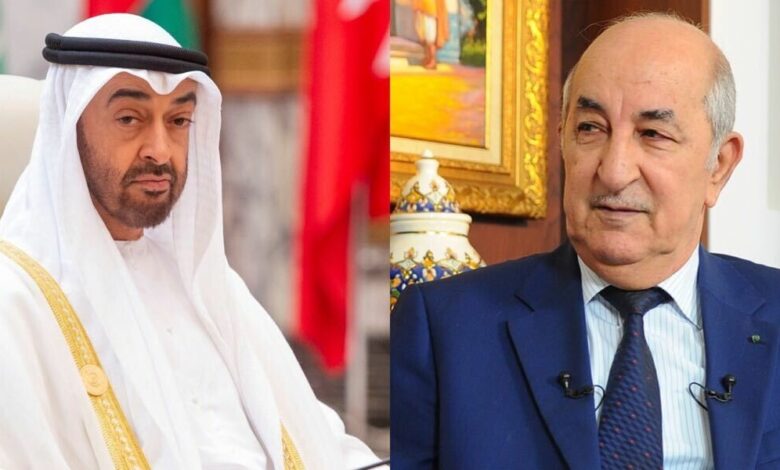
Secret sources close to the Algerian presidency have confirmed to Dark Box that Algeria is actively considering severing diplomatic relations with the United Arab Emirates, with an announcement potentially imminent. According to these sources, the move would represent a dramatic escalation in a crisis that Algerian authorities now view as a direct threat to national unity and state sovereignty.
The potential rupture comes in response to what officials describe as a pattern of hostile Emirati actions, most notably alleged support for separatist movements inside Algeria. At the center of the dispute is the Movement for the Self Determination of Kabylie, known as the MAK, which the Algerian state classifies as a terrorist organization. Algerian officials believe that the UAE has played a role in enabling the movement politically and financially, a charge that Abu Dhabi has not publicly addressed.
Sources told Dark Box that senior decision makers in Algiers no longer view the situation as a matter of diplomatic disagreement, but as an issue of internal security. According to these accounts, evidence has accumulated suggesting that the UAE has supported individuals and networks linked to the MAK while simultaneously working to internationalize the group’s presence in Europe.
Of particular concern to Algerian authorities are ongoing investigations underway in France related to the alleged funding of the MAK movement. While sources did not clarify whether these investigations are being conducted by French or Algerian authorities, they stressed that the financial dimension of the case has triggered alarm at the highest levels of the Algerian state. Officials believe that tracing these funding streams could expose a broader foreign interference effort targeting Algeria.
The sources described Emirati actions as unprecedented in their scope and intent. They allege that Abu Dhabi has actively supported elements it considers hostile to Algeria’s territorial integrity, while simultaneously lobbying French authorities to facilitate residency and legal protection for figures associated with separatist activism. From Algiers’ perspective, this combination of political backing and diplomatic pressure amounts to an attempt to undermine Algeria through indirect means.
According to Dark Box sources, the lobbying of France is viewed as especially provocative. Algeria’s leadership interprets it as an effort to use European legal and residency frameworks to shield individuals accused of threatening Algerian unity. Officials argue that such actions go beyond political disagreement and cross into deliberate destabilization.
The Kabylie issue carries deep historical and political sensitivity in Algeria. The region has long been part of national debates over identity, governance and decentralization. However, Algerian authorities draw a sharp distinction between cultural expression and separatist agendas. The MAK, which openly advocates secession, is seen by the state as an organization that exploits legitimate grievances to fracture the country. Any foreign support for such a movement is therefore treated as an attack on the foundations of the Algerian republic.
Sources close to the presidency told Dark Box that patience within the leadership has worn thin. While Algeria has historically pursued a cautious and principled foreign policy, emphasizing non interference and regional stability, officials now believe that continued engagement with the UAE risks signaling tolerance for actions that threaten national cohesion.
Diplomatic channels between Algiers and Abu Dhabi remain formally open, but insiders describe them as strained and largely inactive. Algerian officials are said to be reviewing a range of options, from downgrading relations to a full severing of diplomatic ties. The fact that a public announcement is being contemplated suggests that internal deliberations have reached an advanced stage.
The potential fallout would be significant. Algeria is a major regional actor with deep influence across North Africa, the Sahel and the Mediterranean. A break with the UAE would underscore widening fractures within the Arab world, particularly between states that prioritize national sovereignty and those accused of leveraging non state actors to advance influence.
Sources stressed that Algeria does not take such decisions lightly. Any move to sever ties would be framed as a defensive response, not an act of escalation. Officials want to signal that Algeria will not tolerate external interference, regardless of the economic or diplomatic cost.
The allegations also fit into a broader regional pattern that Algerian analysts have been monitoring. In multiple countries, the UAE has been accused of supporting alternative political actors, separatist movements or parallel authorities as a means of expanding influence. From Algiers’ perspective, the Kabylie case represents the first time such tactics have been directed at Algeria itself.
For now, the situation remains fluid. Dark Box sources caution that final decisions depend on the outcome of ongoing assessments and the evolution of the investigations linked to the MAK movement. However, they are clear on one point: the Algerian leadership views the matter as a red line.
If Algeria does move to sever ties with the UAE, it would mark one of the most serious diplomatic confrontations in the region in recent years. It would also send a strong message that, for Algiers, sovereignty and territorial integrity are not negotiable.
Dark Box will continue to monitor developments closely as this crisis unfolds and further details emerge.