Somaliland Recognition and the Hidden Corridor of Influence
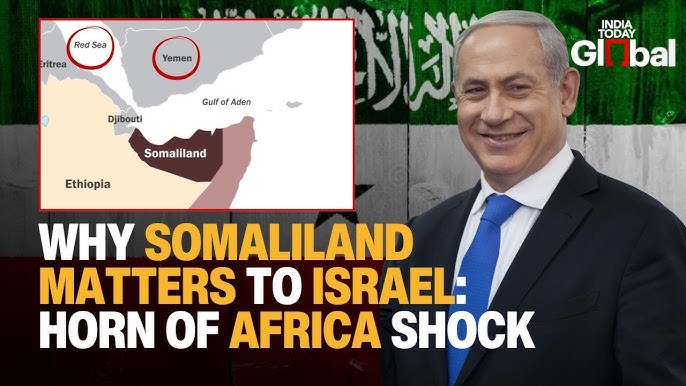
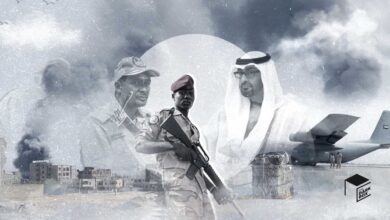
Well informed sources have confirmed to Dark Box that Israel’s move toward recognising the breakaway region of Somaliland was not an isolated diplomatic decision, nor a sudden shift driven by bilateral interests alone. According to exclusive leaks reviewed by Dark Box, the process unfolded through a carefully constructed regional corridor in which the United Arab Emirates played a decisive enabling role, acting as the political, financial and logistical bridge through which Tel Aviv advanced its strategy in the Horn of Africa.
Dark Box sources describe the recognition file as the outcome of years of quiet coordination rather than a single announcement. Abu Dhabi, already deeply embedded in Somaliland through port management, security cooperation and political sponsorship, is said to have laid the groundwork by normalising the idea of treating Somaliland as a de facto state long before any formal recognition was discussed. Emirati officials, according to leaked briefings, framed Somaliland not as a separatist challenge to Somalia, but as a stable and reliable partner in an otherwise volatile region.
The UAE’s role was not limited to economic investment. Dark Box has learned that Emirati security institutions facilitated discreet channels of contact between Israeli officials and Somaliland authorities, using Abu Dhabi as neutral ground for discussions that would have been politically sensitive if conducted directly. These meetings focused on maritime security, intelligence cooperation and access to strategic infrastructure along the Gulf of Aden and the Bab al Mandab corridor.
Leaked internal assessments indicate that the UAE viewed Israeli recognition as a force multiplier rather than a risk. By drawing Israel into Somaliland, Abu Dhabi could internationalise the region’s status without bearing sole responsibility for the political consequences. Israeli recognition would help legitimise a reality the UAE had already invested in, while dispersing diplomatic pressure that might otherwise fall squarely on Emirati shoulders.
From Israel’s perspective, Dark Box sources say the appeal of Somaliland lay in geography and alignment. The region offers proximity to vital shipping lanes, distance from hostile state actors, and leadership eager for international backing. Yet Israel was cautious. Recognition carried risks of backlash from Somalia, regional actors and broader international forums. It was here, according to Dark Box leaks, that Abu Dhabi’s assurances proved decisive. Emirati diplomats reportedly argued that the regional environment had already shifted, and that their own experience in Somaliland demonstrated that consequences could be managed.
Dark Box has reviewed leaked communications suggesting that Emirati officials actively coordinated messaging in advance of the recognition, engaging quietly with African and Gulf interlocutors to blunt opposition. The UAE’s narrative emphasised stability, counterterrorism and economic development, while downplaying the sovereignty dispute. This framing later appeared almost verbatim in Israeli internal justifications, according to sources familiar with the discussions.
The financial dimension was equally important. Dark Box sources confirm that Emirati backed entities signalled willingness to expand investment in infrastructure and security in Somaliland following Israeli recognition, creating a sense of irreversible momentum. This economic insulation reduced the perceived cost of diplomatic fallout, making recognition a calculated rather than impulsive move.
What emerges from the leaked material is a picture of strategic sequencing. The UAE first embedded itself on the ground, then reframed Somaliland’s status regionally, and finally opened the door for Israeli entry. Recognition was not the beginning of the process but its political culmination. As one leaked assessment put it, Abu Dhabi built the road, and Tel Aviv drove across it.
The implications extend beyond Somaliland itself. Dark Box sources warn that this model could be replicated elsewhere, where Emirati economic and security penetration precedes political reengineering involving new partners. In the Horn of Africa, the result is a gradual redrawing of influence that sidelines traditional multilateral frameworks and weakens the authority of central states in favour of externally backed local actors.
For Somalia, the consequences are profound. Israeli recognition, facilitated by the UAE, risks hardening Somaliland’s separation and complicating any future reconciliation. For the wider region, it signals a shift toward transactional sovereignty, where recognition follows strategic utility rather than international consensus.
Dark Box concludes that Israel’s recognition of Somaliland cannot be understood without examining Abu Dhabi’s role as architect and intermediary. The UAE did not merely support the move after the fact. It shaped the environment in which recognition became possible, acceptable and strategically attractive. Far from being an isolated diplomatic gesture, the decision reflects a deeper alignment in which Abu Dhabi functions as the gateway through which new regional realities are constructed and legitimised.