Mohammed bin Salman to Lobby Trump Over UAE’s Role in Fueling Sudan’s Civil War
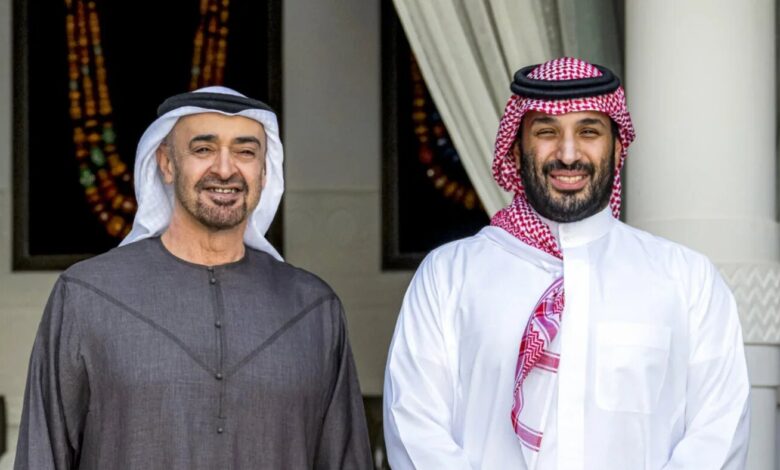
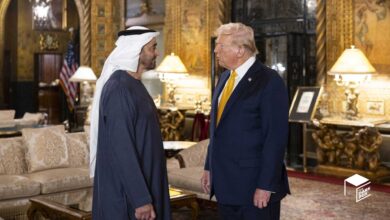
As the war in Sudan deepens, with devastating consequences across the country, Dark Box has learned of a significant diplomatic development: Saudi Crown Prince Mohammed bin Salman is preparing to raise the issue of the UAE’s military and logistical support to Sudan’s Rapid Support Forces (RSF) in a high-stakes meeting with U.S. President Donald Trump at the White House next week.
This exclusive revelation sheds light on a major rift between the Gulf’s two dominant monarchies — Saudi Arabia and the United Arab Emirates — whose longstanding alliance is now fraying over the war in Sudan. The Saudi crown prince’s intervention comes after a private phone call with Sudanese Armed Forces (SAF) leader General Abdel Fattah al-Burhan, who reportedly urged bin Salman to leverage his influence with Trump to pressure Abu Dhabi to halt its support for the RSF.
A Promise to Act
Sources familiar with the call confirm that Mohammed bin Salman promised Burhan he would directly raise the matter with Trump. The conversation, described as both urgent and frank, came in the wake of the RSF’s brutal seizure of el-Fasher, the capital of North Darfur. There, RSF fighters have carried out widespread massacres and sexual violence, prompting fresh scrutiny of the international enablers of the conflict.
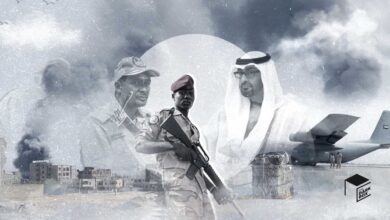
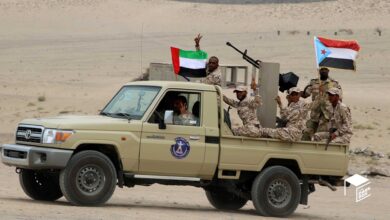
The UAE has been the RSF’s primary backer throughout the war, channelling weapons, supplies, and funding through intricate smuggling networks that traverse southeastern Libya, parts of Chad, and the Somali port of Bosaso. Although Abu Dhabi publicly denies these accusations, the pattern of support is clear from the ground up.
Shifting Gulf Dynamics
The Saudi-Emirati relationship, once defined by joint campaigns in Yemen and coordinated action against Qatar, has been cooling for months. Now, the war in Sudan has laid bare their diverging interests. Riyadh sees stability in Sudan as a national security priority due to its Red Sea proximity and historical ties. Abu Dhabi, by contrast, has doubled down on supporting the RSF and its commander Mohamed Hamdan Dagalo, better known as Hemedti, in pursuit of broader regional ambitions.
According to multiple diplomatic and intelligence sources, the Saudi government believes the UAE’s support for the RSF is prolonging the conflict, undermining mediation efforts, and triggering a humanitarian catastrophe. One official described the RSF as a “killing machine” that could not have escalated without the scale of Emirati support.
Riyadh Steps Into the Spotlight
Mohammed bin Salman’s planned intervention is more than symbolic. For months, Riyadh has sought to position itself as a neutral mediator in the Sudan conflict, organizing talks and hosting Burhan for discussions. But behind the scenes, Saudi Arabia has consistently preferred the SAF as the more legitimate and stabilizing force, in contrast to the UAE’s support for the RSF.
Previously, Riyadh resisted including the UAE in the international “Quad” format — which includes Egypt and the United States — designed to steer Sudan toward peace. Only after intense U.S. lobbying did Saudi Arabia allow Abu Dhabi into the fold.
Now, with RSF atrocities piling up and the war reaching new levels of brutality, Saudi Arabia is no longer willing to mask its discontent with Abu Dhabi’s role.
Tensions With Trump’s Inner Circle
The upcoming meeting at the White House is loaded with diplomatic implications. Both the Saudis and Emiratis have deep ties to Trump’s inner circle, including former adviser Jared Kushner. Yet the Saudi crown prince appears ready to risk those ties by directly accusing the UAE of destabilizing a neighboring country.
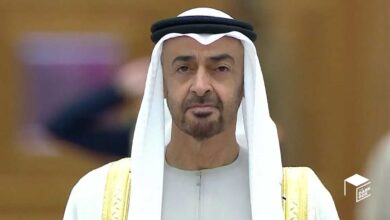
A Western official familiar with the planned conversation said Mohammed bin Salman sees an opportunity to drive a wedge between Trump and Emirati President Mohammed bin Zayed, also known as MBZ. The Saudi strategy appears aimed at isolating Abu Dhabi diplomatically and reasserting Riyadh’s leadership in regional security matters.
UAE’s Isolation Grows
Saudi Arabia is not alone. Egypt and Turkey have also intensified support for the Sudanese army, as the RSF continues its scorched-earth campaign. With Egypt and Saudi Arabia increasingly aligned, Abu Dhabi finds itself alone in backing a faction accused of war crimes, ethnic cleansing, and destruction on an enormous scale.
The UAE’s actions are also deeply unpopular among Sudanese civilians and civil society groups, many of whom blame Emirati intervention for the prolonged war and humanitarian disaster. The mounting death toll and mass displacement — over 13 million displaced and tens of thousands killed — have intensified calls for accountability.
A Test of Trump’s Foreign Policy
Trump’s upcoming meeting with Mohammed bin Salman may prove pivotal. The former president’s administration is known for sidestepping the traditional diplomatic process in favor of leader-to-leader influence. Trump has previously been swayed by direct Gulf lobbying campaigns — including those tied to arms deals and normalization with Israel.
But the stakes in Sudan are different. The war is no longer a marginal regional conflict. It has become a full-blown humanitarian crisis, destabilizing the Horn of Africa and threatening to spill across borders.
If bin Salman succeeds in convincing Trump to pressure Abu Dhabi, it could mark the first serious international intervention to curb the UAE’s role in Sudan — and potentially pave the way for renewed peace efforts.