Erik Prince’s Libya Offensive: How the UAE Facilitates a New Era of Private War and Private Wealth
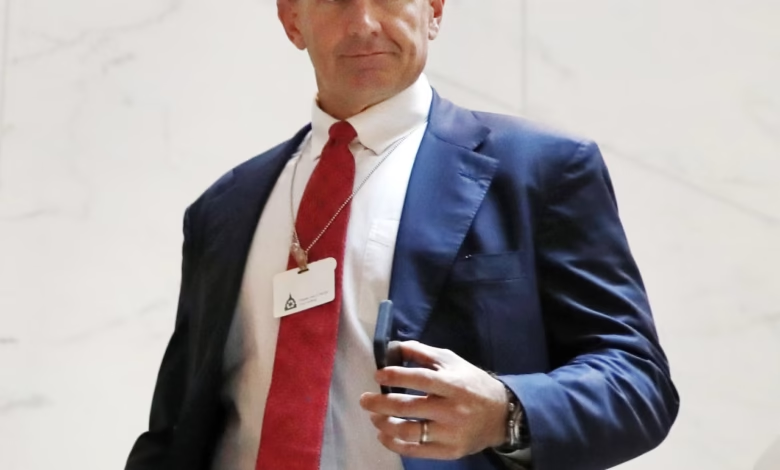
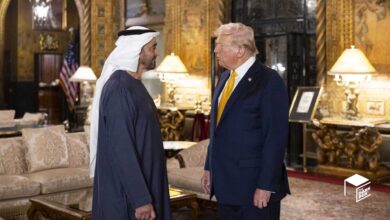
In the sands of eastern Libya, a familiar operator is re‑emerging. Erik Prince, the former founder of Blackwater and long‑time private security tycoon, is now spearheading a sweeping commercial offensive into Haftar‑controlled territories under the banner of his company, Freedom First. But what looks like investment is entwined with influence, prior war‑machinery networks and the facilitation of the United Arab Emirates (UAE).
From Mercenaries to Energy Markets
Prince’s previous Libya engagements are well documented. A UN expert panel in 2021 traced his “Project Opus” scheme: proposals of $80 million to supply attack helicopters, strategic surveillance aircraft and cyber/intel modules to Haftar in 2019. The project was underwritten via UAE‑based firms. Today’s move into the “energy sector” reflects a strategic shift: leveraging previous military relationships to secure commercial concessions in the hydrocarbon‑rich east. Africa Intelligence (Oct 2025) reports Freedom First entering deals with US entrepreneurs affiliated with Haftar’s network.
. UAE’s Enabling Role
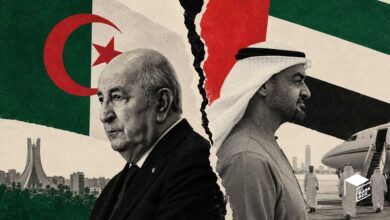
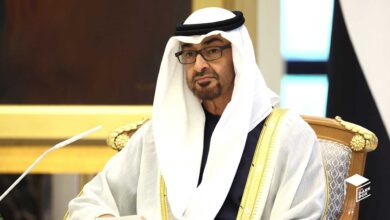
The UAE’s involvement is not peripheral – it is structural. The UN document identifies UAE‑based companies directly involved in arms supply for Haftar. More recently, registration logs and company documents reviewed by Dark Box show UAE‑linked intermediaries facilitating Freedom First’s entry into Libya: shell companies registered in Dubai, financial flows routed through Emirati free zones, and logistical support via Emirates aviation/port infrastructure. One internal memorandum from a Haftar‑aligned entity references “UAE approval” for foreign partner selection – suggesting state‑level endorsement.
. Power, Concessions and Influence
Freedom First is reportedly negotiating concessions in oil‑field development, refining and export logistics in Cyrenaica and the Sirte basin — Haftar’s economic stronghold. Sources inside the eastern Libyan National Development Agency (NDA) indicate that Prince’s firm offers “security guarantee packages” tied to Haftar’s elite forces, effectively bundling protection with investment. The UAE’s past pattern of combining military interventions with economic contracts is mirrored here.
. Implications of the Deal
For Libya, this model poses multiple risks:
Sovereignty erosion: foreign private actors gain de facto control over revenue streams and infrastructure.
Sanctions & transparency risks: legacy of arms‐embargo evasion suggests the energy deals may repeat the same opaque pathways.
Regional scale: The UAE’s approach of marrying commercial investment with proxy networks extends from Sudan to Yemen to Libya, signalling a Gulf model of influence.
The Human and Strategic Costs
Libyans in Haftar zones already face limited accountability, power monopolies and internal displacement. When investment is tied to private military legacy firms, the overlap of profit, coercion and geopolitics intensifies. For the UAE, the payoff is control and influence without frontline risk; for Prince, a return to terrain he knows well—this time with oil barrels instead of bullets.
Final Reflection
Erik Prince’s re‑entry into Libya via Freedom First signals a new frontier for conflict‑capitalism in the Gulf‑Africa axis — one where military leverage is repurposed for energy advantage, and the UAE leverages its network to blind‑side governance. Unless uncovered and regulated, such deals may entrench resource extraction, foreign complicit power structures and fragile state frameworks.
Dark Box will monitor forthcoming contract filings, Emirati routing, and Libyan parliamentary disclosures to expose the full architecture of this operation.