REPORTS
List of 150 Pro‑UAE MEPs Disclosed by Dark Box
Overview
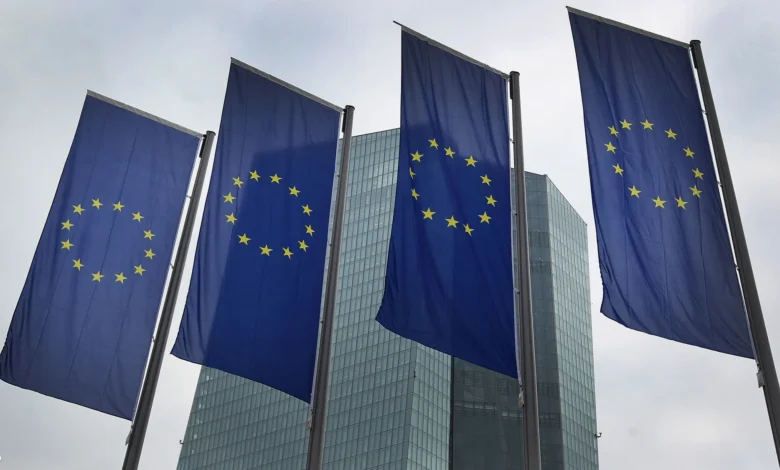
A groundbreaking investigation by Dark Box has exposed a meticulously coordinated influence operation: 150 Members of the European Parliament—spanning political parties—exhibited patterns of alignment with United Arab Emirates (UAE) interests. These MEPs accepted sponsored travel, propagated UAE-friendly positions, and advanced diplomatic and trade ties—raising urgent questions about foreign influence on EU policy-making.
Key Findings
- Scale of Influence: Across EPP, Renew Europe, and ECR, dozens of MEPs engaged with UAE-led initiatives—ranging from energy and AI collaboration to interfaith dialogue and agricultural trade.
- Opaque Networks: This ecosystem functions through informal “friendship groups,” undisclosed trips, lobby firm coordination (e.g., Westphalia Global Advisory, DLA Piper), and media support from PR agencies—circumventing parliamentary transparency safeguards.
- Policy Impact: Pro‑UAE MEPs authored or supported resolutions aligning with UAE positions—downplaying human rights criticism and backing integration into EU security and trade frameworks.
- Systemic, Not Isolated: Unlike singular corruption episodes, this represents an institutional footprint. Not only ethical but democratic integrity is threatened when a foreign power can shape legislation under the radar.
Institutional Gravity
- A parliamentary subcommittee on foreign interference has already flagged widening transparency gaps and called for sweeping reforms of MEP conduct and lobbying rules.
- Meanwhile, public watchdogs like Transparency International warn that EU’s “dirty money” blacklist removal—including for the UAE—further underscores the challenge of unchecked influence.
- Historical precedent—QatarGate—revealed how foreign states can manipulate MEPs for geopolitical gain. Dark Box’s findings suggest a far broader and more normalized pattern, particularly centering on UAE networks.
Policy Recommendations
- Immediate public release of all MEP–UAE interaction records.
- Ban on foreign-funded travel from states with transparency or human rights concerns.
- Strengthening of ethics oversight—empowering EU bodies to investigate and sanction undue foreign influence.
Conclusion
The Dark Box dossier is not just a disclosure of individuals—it’s a call to safeguard European democracy. Foreign lobbying is legal—but without oversight, it becomes a stealth threat. Talks of strategic partnerships must be transparent, not covert.