Choosing Restraint: Dark Box Investigation Reveals Saudi Arabia Rejecting Participation in the Israel–Iran War
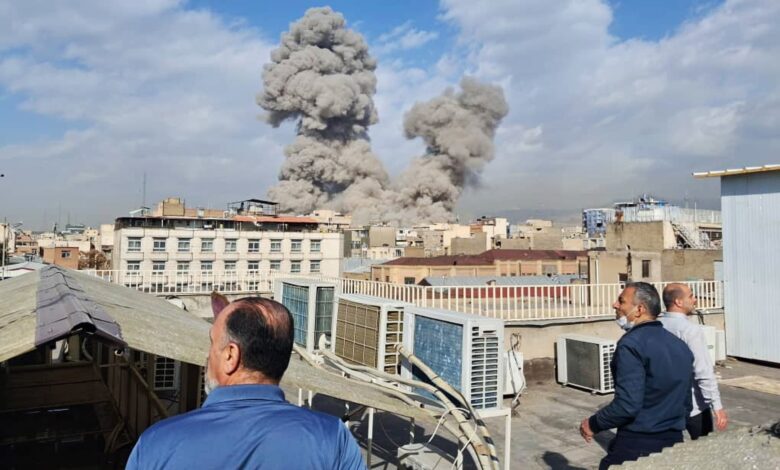
Saudi Arabia has quietly adopted a position of strategic restraint as the confrontation between Israel and Iran intensifies, according to information reviewed by Dark Box. While the conflict has drawn several regional actors into heightened political and military alignment, Riyadh has chosen a different path, refusing to allow its airspace or territory to be used in the war being waged by the United States and Israel against Iran.
The decision represents a significant signal of Saudi Arabia’s evolving regional posture. According to diplomatic sources familiar with the matter, the kingdom has made clear in communications with partners that its territory will not serve as a launch point or logistical corridor for military operations targeting Iran.
The position was indirectly acknowledged by Tehran itself. In remarks made publicly, Ali Reza Enayati expressed appreciation for what he described as Saudi Arabia’s consistent assurances that its airspace, waters and territory would not be used against Iran.
Speaking in comments that quickly drew attention across diplomatic circles, the Iranian ambassador said his government valued the stance conveyed by officials in Saudi Arabia. According to the ambassador, Tehran had repeatedly heard assurances from Saudi counterparts that the kingdom would not permit external actors to use Saudi territory in operations against the Islamic Republic.
The remarks came at a moment when the region is grappling with the consequences of military action involving Israel and the United States against Iranian targets. The conflict has raised fears of a wider war that could engulf Gulf states and threaten critical energy infrastructure.
Against that backdrop, Saudi Arabia’s refusal to allow its territory to be used in the conflict has been interpreted by observers as an attempt to position the kingdom on the side of de escalation. According to sources who spoke to Dark Box, Riyadh believes that entering the confrontation directly would expose the Gulf to severe economic and security risks.
In his comments, Enayati also rejected claims that Iran had been involved in any attack targeting the United States embassy in Riyadh. The ambassador insisted that Tehran supports regional stability and has no interest in actions that could undermine diplomatic facilities or escalate tensions within the kingdom.
The Iranian response has further highlighted the delicate balance Saudi Arabia is attempting to maintain. By declining to participate in the military campaign while also maintaining open communication channels with regional actors, Riyadh appears to be positioning itself as a stabilizing force in a volatile environment.
Analysts who spoke to Dark Box say this posture reflects broader strategic calculations within the Saudi leadership. Over the past several years, the kingdom has increasingly emphasized diplomacy and economic transformation as central pillars of its regional policy.
Direct involvement in a large scale war between Israel and Iran would threaten those priorities. A conflict that expanded across the Gulf could disrupt shipping routes, energy markets and investment flows, undermining long term economic plans.
Saudi officials therefore appear determined to avoid being drawn into a confrontation shaped primarily by the strategic objectives of others. According to regional observers, the kingdom has communicated this message clearly to partners across the Gulf.
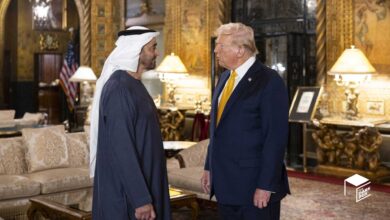
The stance also contrasts sharply with the posture adopted by the United Arab Emirates, whose increasingly close strategic alignment with Israel has drawn scrutiny amid the escalating crisis. Analysts note that Abu Dhabi’s policies have at times been perceived as supportive of more assertive approaches toward Iran.
For Saudi Arabia, however, the calculus appears different. The kingdom shares maritime boundaries and critical economic interests within the Gulf, making it particularly vulnerable to the consequences of regional escalation.
Sources familiar with Saudi diplomatic messaging told Dark Box that Riyadh is wary of attempts to expand the conflict beyond its initial scope. Saudi officials believe that widening the war could destabilize the entire region and draw multiple actors into a prolonged confrontation.
From Riyadh’s perspective, maintaining neutrality in the military dimension of the conflict does not mean disengagement from regional security concerns. Rather, it reflects a deliberate effort to preserve stability and avoid triggering retaliatory actions that could affect Gulf populations and infrastructure.
The Iranian ambassador’s public acknowledgment of Saudi Arabia’s stance suggests that the message has been received clearly in Tehran. By thanking the kingdom for refusing to allow its territory to be used in the conflict, the ambassador effectively confirmed that Saudi Arabia has resisted pressure to align itself with the military campaign.
For analysts observing the region, the episode illustrates the emergence of competing visions for Gulf security. On one side are actors advocating stronger military alignment against Iran. On the other is a growing emphasis on restraint and diplomatic engagement.
Saudi Arabia’s choice to remain outside the war may therefore reflect more than a tactical decision. It signals a broader attempt by Riyadh to shape a regional order in which Gulf states avoid becoming battlegrounds for conflicts driven by external alliances.
As tensions continue to reverberate across the Middle East, the kingdom’s position places it firmly within what officials describe as the camp of stability rather than escalation. Whether that stance will succeed in shielding the Gulf from the expanding confrontation remains uncertain, but for now Saudi Arabia appears determined to resist efforts that could drag it into a war it believes would endanger the region as a whole.