The Zero Hour Approaches for Ending Emirati Influence in the Horn of Africa
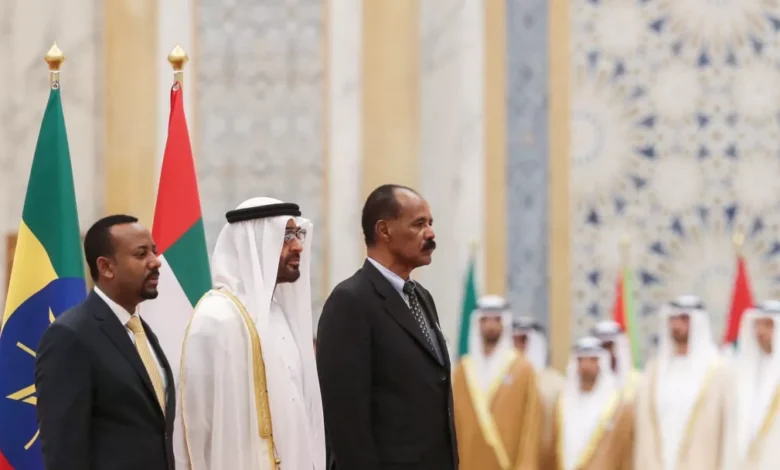
Dark Box has received information indicating that the Horn of Africa is entering a decisive phase, with coordinated Saudi and Turkish diplomatic and security moves aimed at dismantling what sources describe as an expanding Emirati network across the Red Sea basin. According to well-informed sources, the recent visit of the Saudi Foreign Minister to Addis Ababa, coupled with parallel high-level security meetings in Cairo, Riyadh, and Khartoum, is not a routine diplomatic sequence but part of a broader strategic recalibration.
Prince Faisal bin Farhan’s arrival in the Ethiopian capital came amid mounting scrutiny over Ethiopia’s alleged role in hosting facilities linked to Sudan’s Rapid Support Forces. A Reuters report recently pointed to the existence of a secret base used by the paramilitary group during its conflict with the Sudanese army. That revelation appears to have accelerated Saudi diplomatic engagement with Addis Ababa. Sources say Riyadh’s message is unambiguous: the Horn of Africa will not remain an open corridor for destabilizing militias or proxy supply lines.
Simultaneously, Ankara has signaled intensified involvement. Turkish officials have announced plans for a presidential visit to Ethiopia following consultations in the Gulf. The sequencing is being read by regional observers as deliberate coordination between Saudi Arabia and Turkiye. Intelligence assessments circulating in diplomatic circles suggest that both capitals view the Horn as a critical theater in the broader contest reshaping alliances from the Red Sea to the Nile basin.
Over recent years, the United Arab Emirates has cultivated influence through port investments, security partnerships, and logistical networks stretching from Somaliland and Puntland to Ethiopia and Libya. That architecture, however, now appears under sustained pressure. Somaliland faces growing diplomatic isolation. Libya’s corridors are increasingly contested. Eritrea has repositioned itself closer to Riyadh. In this context, Ethiopia emerges as the final strategic hinge in a network that once enabled Emirati leverage across Sudan and beyond.
Saudi officials, according to sources, are working to close what they see as the last operational outlet for Emirati-backed paramilitary flows. Meetings in Cairo have reportedly focused on intelligence sharing and coordination to secure Red Sea routes and prevent weapons transfers. In Khartoum, military channels aligned with the Sudanese army are said to be deepening consultations with Riyadh and Ankara. The aim is to consolidate state actors while marginalizing irregular forces supported through external networks.
Turkiye’s involvement carries its own weight. Ankara maintains historical and economic ties across the Horn, including development projects and security cooperation. Its growing alignment with Saudi Arabia on Sudan signals a shift from previous rivalries toward pragmatic coordination. Analysts note that the two countries have moved beyond episodic rapprochement into structured strategic dialogue, particularly on issues involving regional stability and countering non-state armed actors.
Ethiopia finds itself at the center of this evolving chessboard. Prime Minister Abiy Ahmed’s government has navigated complex internal and regional pressures, from the aftermath of civil conflict to tensions with Eritrea and disputes over Nile waters. Hosting or tolerating networks linked to Sudan’s Rapid Support Forces risks further isolation at a moment when Addis Ababa seeks economic recovery and diplomatic normalization. Saudi outreach appears designed to offer an alternative path: reintegration into a Red Sea security framework anchored by recognized states rather than militia-backed arrangements.
Sources close to the discussions indicate that Riyadh’s approach combines incentives and deterrence. Economic cooperation, energy partnerships, and infrastructure investment are reportedly on the table. At the same time, the implicit warning is that continued facilitation of destabilizing actors will carry diplomatic and financial consequences. Turkiye’s parallel engagement reinforces that message, suggesting a unified front rather than fragmented diplomacy.
Regional intelligence platforms have described the current phase as approaching a “zero hour,” a tipping point at which the balance of influence in the Horn could decisively shift. Field movements, including tightened monitoring of air routes and maritime corridors, support the view that preparations are underway for a comprehensive containment strategy. Abu Dhabi’s relative silence amid these developments has not gone unnoticed. Analysts interpret it either as recalibration behind closed doors or as evidence of shrinking maneuvering space.
The broader implications extend beyond Sudan. Control over corridors linking the Red Sea to the interior of Africa affects trade, energy routes, and migration flows. A coordinated Saudi-Turkish posture could redefine the security architecture of the Horn, aligning Egypt, Eritrea, and Sudan more closely with Riyadh while constraining rival networks. Such a configuration would represent a significant realignment in a region long marked by overlapping interventions.
Whether this transformation unfolds through negotiated adjustments or escalates into confrontation remains uncertain. Some diplomats speculate that quiet understandings may dismantle elements of the contested network without open conflict. Others warn that entrenched interests and proxy entanglements could trigger a regional shock before a new equilibrium emerges.
What is clear from the sequence of high-level visits and synchronized security consultations is that the Horn of Africa is no longer a peripheral theater. It has become a central arena in the recalibration of Gulf and regional power. As Saudi Arabia and Turkiye intensify coordination, the strategic space for unilateral influence appears to be narrowing. The coming weeks may determine whether the region steps back from the brink or enters a new phase of overt rivalry.