Sudan’s Heglig: Why the oil field taken by the RSF matters
Well-informed sources have confirmed to Dark Box that the seizure of the Heglig oil field by Sudan’s Rapid Support Forces marks a decisive shift in the country’s war economy and opens a new phase of regional resource exploitation shaped by external interests, most notably networks linked to the United Arab Emirates. The capture of Heglig is not a symbolic battlefield gain. It is a strategic takeover of an energy node that sits at the heart of Sudanese and South Sudanese economic survival, and a lever that can be weaponised far beyond the front lines.
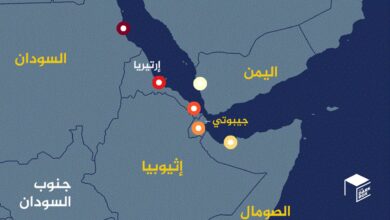
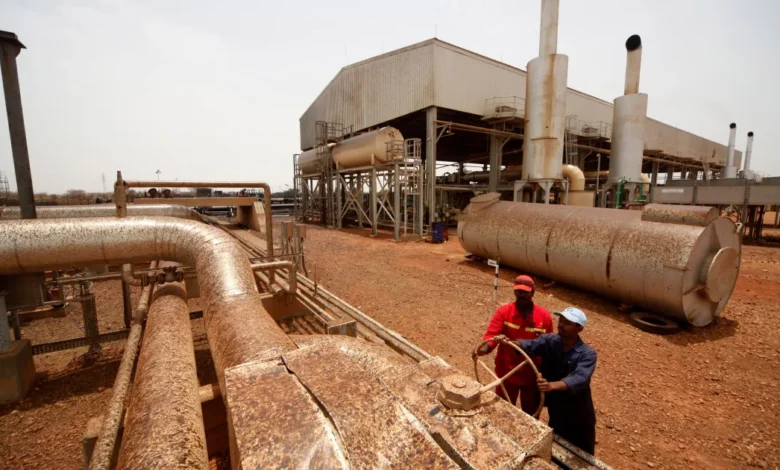
Heglig lies in the Muglad Basin along the border between South Kordofan and South Sudan’s Unity State. It hosts a dense cluster of oil wells, storage tanks and processing facilities, and it anchors a critical segment of the Greater Nile Oil Pipeline that carries South Sudanese crude northwards to Port Sudan for export. Dark Box sources say RSF units entered the area with engineers and technical specialists, indicating preparation not only for military control but for economic management and diversion.
According to intelligence shared with Dark Box, the RSF’s advance into West Kordofan and its seizure of Heglig were facilitated by uninterrupted supply lines and financial backing channelled through external sponsors. Several Sudanese and regional officials pointed specifically to Emirati-linked logistics networks that have already been documented in gold smuggling and arms transfers. These same routes, sources say, are now being adapted to move oil and refined products outside formal state systems.
The importance of Heglig extends beyond Sudan. South Sudan’s economy is almost entirely dependent on oil exports that pass through this infrastructure. Any disruption or manipulation of the field gives the RSF leverage not only over Khartoum but also over Juba. Dark Box sources inside South Sudan’s energy sector say officials there are deeply alarmed, fearing that control of Heglig allows the RSF and its backers to dictate transit conditions, extract informal fees or threaten shutdowns to force political concessions.
Military sources told Dark Box that the Sudanese Armed Forces withdrew from Heglig after local negotiations involving Messiria community leaders and South Sudanese military officers. But the withdrawal created a vacuum quickly filled by the RSF, which presented itself as the new guarantor of security. Footage circulating locally showed RSF fighters celebrating alongside South Sudanese soldiers, an image that underscores how economic dependence can blur wartime alliances.
Analysts consulted by Dark Box say the RSF is replicating a model seen elsewhere in the region. By controlling energy infrastructure rather than merely territory, the group converts military dominance into sustained revenue. In Libya, a similar strategy allowed Khalifa Haftar to turn oil terminals into bargaining chips. In Sudan, Heglig now plays that role. With West Kordofan fully under RSF control, the group has secured a corridor that links Darfur to the oil belt and opens a pathway toward North Kordofan and the refinery hub of el-Obeid.
Dark Box sources add that Emirati commercial intermediaries are already assessing options to bypass existing export frameworks. One plan under discussion involves transporting crude or semi-processed oil by road in container trucks toward border zones, where it can be refined or blended outside Sudan. Such methods mirror tactics used previously in the illicit gold trade, where resources were removed in bulk and laundered into international markets without traceable origin.
The RSF’s interest in Heglig is therefore both immediate and strategic. In the short term, it seeks a larger share of oil revenues to finance military operations. In the longer term, control of oil infrastructure strengthens its political hand in any future negotiations over Sudan’s governance. Dark Box sources say RSF commanders view Heglig as proof that the group is no longer a peripheral militia but a power capable of managing state-level assets.
For the UAE, the stakes are equally high. Abu Dhabi denies backing the RSF, yet multiple investigations have documented Emirati involvement in Sudan’s war economy, particularly in gold exports and logistics. With oil now in play, sources say Emirati networks see an opportunity to expand their influence over Red Sea and Horn of Africa energy flows, at a time when global markets are increasingly sensitive to supply disruptions.
The capture of Heglig also accelerates the de facto partition of Sudan. The army retains the north, east and Red Sea coast, while the RSF dominates the west and much of the south. This split reshapes trade routes and resource control, creating parallel economies that answer to different patrons. Dark Box analysts warn that such fragmentation entrenches the war by giving each side independent revenue streams insulated from political compromise.
In practical terms, the fall of Heglig means the war has entered an energy phase. Oil infrastructure is no longer collateral damage but a central objective. The RSF’s drone strikes on nearby facilities before the takeover, and the subsequent shutdown of production, show a willingness to sacrifice immediate output to gain long-term control.
Dark Box concludes that Heglig’s seizure matters because it transforms Sudan’s conflict from a struggle over power into a struggle over strategic resources with regional consequences. If oil smuggling networks linked to external actors consolidate around Heglig, Sudan risks losing control over yet another pillar of its economy. The field’s capture is not just a battlefield event. It is a warning that Sudan’s oil, like its gold before it, may now be leaving the country through channels shaped by war, secrecy and foreign leverage.