The UAE and the RSF: A Partnership in Retreat as Sudan’s Crisis Deepens
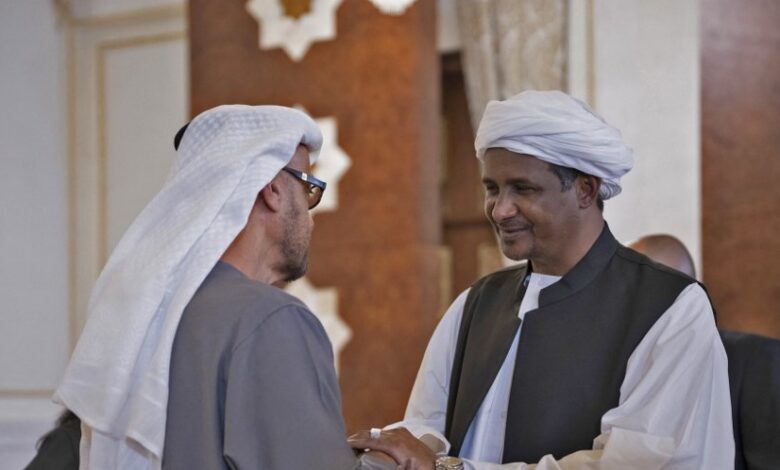
As international scrutiny intensifies over atrocities committed by Sudan’s Rapid Support Forces (RSF), the United Arab Emirates (UAE)—long accused of backing the paramilitary group—has begun shifting its public stance. In a notable departure from past denials, Abu Dhabi’s top diplomat, Anwar Gargash, admitted this week that the UAE had erred in its policy towards Sudan.
“We all made a mistake when the two generals who are fighting the civil war today overthrew the civilian government,” Gargash said at a conference in Bahrain, referring to the 2021 coup orchestrated jointly by the RSF and the Sudanese Armed Forces.
This rare admission comes amid mounting international outrage over the RSF’s campaign of violence in El Fasher, where hundreds of civilians have reportedly been killed in ethnically targeted massacres since late May.
🛑 From Backer to Denier: UAE’s Pivot
Since the fall of Omar al-Bashir in 2019, the UAE has played a central role in shaping Sudan’s fragile post-revolution transition. Rather than supporting Sudan’s democratic aspirations, Abu Dhabi threw its weight behind military rule—channeling political support and financial aid to the junta, and particularly to RSF commander Mohamed Hamdan Dagalo, known as Hemedti.
The Emirates suspended economic aid to the transitional government in late 2019 once civilians gained more control—undermining the power-sharing arrangement and paving the way for the 2021 coup. Now, four years later, the UAE’s influence is under the spotlight again as the RSF, its onetime ally, is accused of war crimes and ethnic cleansing in Darfur.
Despite strong evidence—including UN findings and U.S. sanctions against UAE-based entities that supplied the RSF with funds and weapons—Emirati officials have consistently denied arming the militia. But diplomatic insiders confirm to Dark Box that the RSF relied heavily on Emirati logistics, arms routes through Libya, and financial backing from companies with deep ties to Abu Dhabi.
⚠️ Gold, Ports, and Power
The Emirati interest in Sudan has always gone beyond politics. Sudan’s gold wealth, fertile lands, and Red Sea ports made it an attractive prize for Gulf monarchies seeking food security and economic expansion. In 2022, the UAE signed a $6 billion deal to develop a port north of Port Sudan—now cancelled by General Burhan—but Abu Dhabi is reportedly eyeing a revival of the project post-conflict.
Gold, in particular, has been a key asset for both the Sudanese army and the RSF, which operates mining operations in Darfur through Hemedti’s family firm Algunade. Sudan’s Mineral Resources Company reported 74 tonnes of gold production in army-held zones this year alone. Almost all the official exports—about $1.52 billion worth—have gone to the UAE.
However, official numbers barely scratch the surface. An estimated 90% of Sudan’s gold is smuggled out illegally, much of it ending up in Dubai after passing through complex transit routes in Chad, Egypt, Uganda, and South Sudan.
This gold-for-guns ecosystem—engineered in part through the RSF’s ties to the Emirates—is what fueled the militia’s rise and financed its brutal campaign in Darfur.
🎭 The Disinformation Defense
Faced with mounting pressure, Emirati officials have shifted to a new narrative: denying complicity while portraying themselves as neutral mediators. Foreign Minister Lana Nusseibeh claims the UAE now supports a return to civilian rule and views both the RSF and the army as disqualified from leading Sudan’s future.
Yet this messaging is undermined by the lack of meaningful cooperation with the UN expert panel enforcing the arms embargo. Human rights groups say if Abu Dhabi is sincere, it must open its financial records, cooperate with arms-tracking efforts, and halt all military exports to Sudanese factions.
Privately, officials in Washington and European capitals believe the UAE’s retreat from the RSF is a calculated maneuver—driven not by ethics, but by reputational risk and strategic recalibration.
🧩 What Comes Next?
With U.S. and Gulf-led diplomacy stalled and Sudan’s civilians still sidelined from talks, the UAE’s next steps remain unclear. While it insists on opposing “Islamist influence,” Abu Dhabi must now weigh whether its partnership with the RSF still serves its interests—or threatens them.
As Sudan’s gold exports continue to enrich Emirati coffers, and its political future hangs in the balance, international observers are left to ask: Is the UAE ready to become part of the solution, or will it double down on covert manipulation?
Only time—and transparency—will tell.